


AACo - Natural Capital Vegetation Assessment - Northern Supply Group.
Australian Agricultural Company (AACo).
Environmental Account.
Environmental Account ID: AU00099
Account Holder: Australian Agricultural Company (AACo)
Location: Various properties across Northern Territory, Australia
Purpose: To identify, document, and communicate the natural values of AACo properties across Northern Supply Group, while informing sustainable landscape management.
Current land use: Grazing
Scale: Aggregate
Total aggregate property area: 1,015,281 ha (across five properties)
Total Environmental Account area: 417,928 ha (41.2% of aggregate property area)
Environmental Asset Account.
Environmental Asset Account ID: AU00099V1
Status: Independent Audit (reasonable assurance)
Baseline Certification date: 18 May 2026
Asset Account Area: 417,928 ha (41.2% of aggregate property area)
Assets: Vegetation - Native
Method: AfN-METHOD-V-10

Certification Passport.
About the Environmental Account.
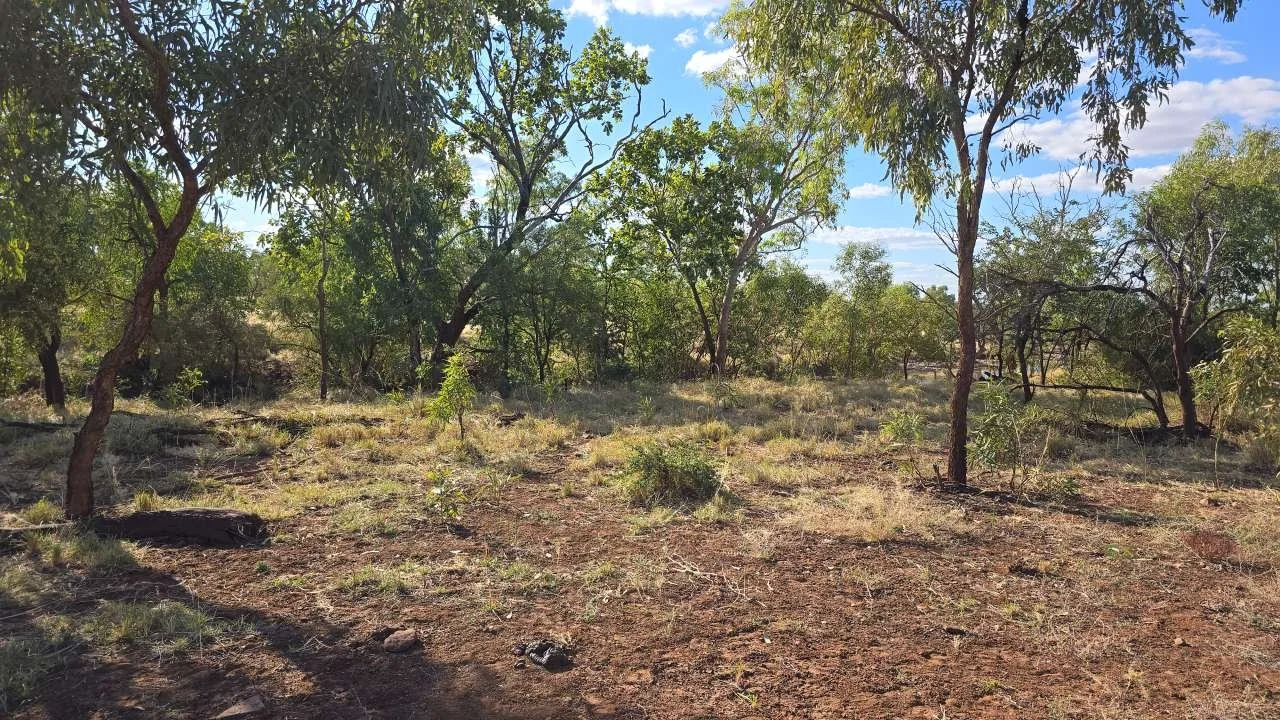
The Environmental Account covers multiple large-scale cattle stations in the Darwin Coastal, Pine Creek and Ord Victoria Plain bioregions, including Camfield, La Belle, Pell Airstrip, Montejinni and Delamere. Situated across the tropical and sub-tropical savannas of the Northern Territory, these AACo properties span diverse landscapes, from open grassy woodlands to sandstone escarpments and floodplains. Camfield, Montejinni, and Delamere lie within the Victoria River District, while Pell Airstrip and La Belle are positioned closer to the Top End. Each property is characterized by distinct seasonal climates and vegetation assemblages where native sorghum grasses, floodplain vegetation and perennial pasture species support extensive cattle grazing.
The properties retain varying degrees of ecological value, with areas of intact native vegetation and habitat heterogeneity supporting biodiversity alongside productive rangeland systems. Seasonal monsoonal rainfall patterns shape the ecological dynamics, promoting rapid grass growth and replenishment during the wet season, followed by a pronounced dry season. While these regions offer productive grazing opportunities, they are also challenged by invasive pasture species, woody weeds, feral herbivores, and destructive shifts in fire regimes. Land management practices, including rotational grazing, prescribed burning, and infrastructure improvements, are employed on some properties to support both cattle production and the long-term resilience of the savanna ecosystems.
These stations are integral to AACo’s broader northern breeding operations, providing a reliable source of cattle that are later transferred to backgrounding and finishing properties across the Barkly region and Queensland, and selling direct to markets in the NT.
Annual certification compliance & material disclosures.
No current disclosures relating to this account.
Account location.
About the Account Holder.
The Australian Agricultural Company (AACo) is committed to becoming a leader in sustainable beef production, aiming to balance environmental stewardship with agricultural excellence. Managing approximately 6.5 million hectares across Queensland and the Northern Territory (about 1% of Australia's landmass) AACo oversees a cattle herd of around 455,000 head.
Central to AACo's sustainability efforts is their comprehensive Sustainability Framework, which guides the company's initiatives to drive positive change within the industry and communities. This framework emphasizes the protection and respect of natural resources, aiming to shape agriculture to meet the needs of a changing world.
AACo's sustainability targets are aligned with global efforts to combat climate change and promote responsible land management. The company is dedicated to combating desertification and restoring degraded land and soil, including areas affected by drought and floods.
Through these initiatives, AACo strives to enhance the ecological health of their properties, ensuring that their operations contribute positively to the environment while maintaining the highest standards of beef production.
Last update: 19 May 2026