

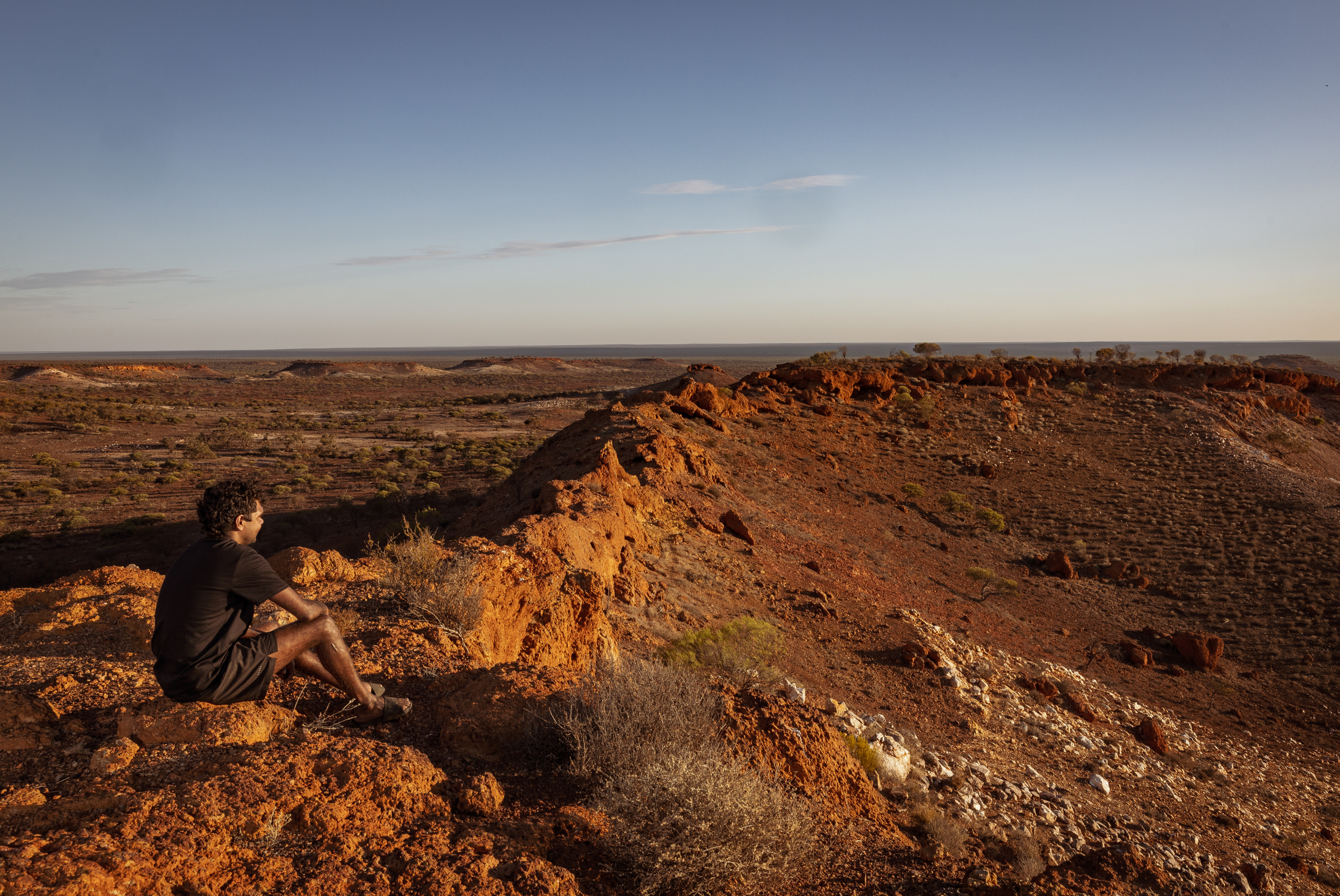
Indigenous Peoples and Local Communities.
A collaborative initiative that will assist users to incorporate Traditional Ecological Knowledge, Indigenous nature-related values and culturally significant assets alongside Environmental Accounts anywhere in the world.
Traditional Knowledge, community insights, and cultural values.
At Accounting for Nature, we believe in the power of communities and culture to shape our understanding of the environment and drive sustainable practices. We strive to bridge the gap between environmental accounting principles and environmental stewardship by providing a pathway to include cultural perspectives in the way we value nature.
Accounting for Nature is helping to redefine how we perceive and account for the natural world. We recognise that cultural attitudes and beliefs play a significant role in shaping our interactions with nature. By acknowledging and capturing diverse cultural perspectives, we aim to provide opportunities to support this valuable knowledge and, alongside scientific methods for measuring the state of nature.
Why it matters.
Nature, people and culture are inseparable - culture influences how we perceive, value, and interact with nature. Traditional Knowledge systems, Indigenous practices, and cultural beliefs offer unique insights into our relationship with nature. By considering cultural perspectives, we can enrich our understanding of ecosystems, identify innovative solutions to environmental management, and foster respect for biodiversity.
Accounting for Nature recognises the need of its clients to engage with Indigenous Peoples and Local Communities (IPLCs) and, where appropriate and voluntarily agreed, reflect cultural knowledge, values, and perspectives alongside Environmental Accounts..
Cultural condition & the Accounting for Nature® Framework.
Accounting for Nature is developing and piloting a new and voluntary approach to enable Traditional ecological and community knowledge to be recognised alongside Environmental Accounts, in a way that is driven by IPLCs and that is considered to be credible, respectful, and fit-for-purpose.
This approach is being aligned with global best practices, including Free, Prior, and Informed Consent (FPIC), the United Nations Declaration on the Rights of Indigenous Peoples (UNDRIP), and other internationally accepted best-practice standards. These guidelines will contribute towards our ongoing efforts to ensure the Accounting for Nature® Framework authentically reflects and supports the knowledge systems, priorities, and aspirations of IPLCs globally.
We acknowledge that this is an evolving process, and we are committed to continuous learning and adaptation. If you’d like to help guide us through this important initiative or have questions, please get, contact us.
What does IPLC mean?
At Accounting for Nature, we recognise the importance of clarity and sensitivity in defining IPLC in the context of our Framework. We acknowledge that definitions may vary based on regional, cultural, and legal contexts, and our approach is guided by respect for the rights, autonomy, and knowledge systems of the First Peoples of the land. Our working definition has been developed in consultation with international IPLC experts to ensure it is appropriate and in line with current, best practice principles.
Indigenous Peoples
Indigenous Peoples (IPs) are recognised as the First Peoples of a region, having lived on and stewarded their lands long before colonisation or settlement by others. Their identity is often tied to their historical connection to the land, distinct cultural traditions, governance systems, and languages. In different regions, the recognition and rights of Indigenous Peoples may vary, requiring careful engagement that respects self-identification and sovereignty.
Local Communities
Local Communities (LCs) refer to groups of people living in a distinct geographical area, either with long-standing historical presence or as newer inhabitants. These communities may hold rights, responsibilities, and deep cultural ties to their environment, but do not necessarily identify as Indigenous. In some regions, communities may choose not to identify as Indigenous due to social, political, or legal sensitivities, particularly where Indigenous status has been associated with marginalisation.
Interim guidance.

While we develop our approach through collaboration on how cultural knowledge is reported in environmental accounting , the Accounting for Nature® Framework currently provides two pathways that enable Account Holders to incorporate Traditional Ecological Knowledge (TEK), Indigenous values and culturally significant assets alongside an Environmental Account:
Utilising the existing Accredited Method pathway to formally connect Traditional Knowledge, cultural practices and values to ecological scores.
An optional pathway for Account Holders to disclose Traditional Ecological Knowledge (TEK) and cultural insights alongside an Environmental Account through the Technical Report.
If you would like to learn more, please contact us.
Current projects and opportunities.
Australia.
In 2024, Accounting for Nature received a Capacity Building Grant under the Australian Government’s Climate-Smart Agriculture Program under the National Heritage Trust, aimed at enhancing sustainable agricultural practices across Australia. This initiative is part of the Australian Government’s commitment to supporting climate-smart farming and boosting the resilience of Australian farmers, Indigenous communities, and land managers.
The grant, which will run until 2028, will enable Accounting for Nature to implement a comprehensive national Accredited Training Program designed to increase the capacity of regional professionals, landholders and First Nations People to develop Environmental Accounts under the trusted Accounting for Nature® Framework.
A central aim of the project is to develop a pathway for TEK and cultural values to sit alongside environmental accounting practices, in close consultation with First Nations People, enhancing the connectivity of regional and First Nations communities to support farmers and landholders in adopting holistic, sustainable land management practices.
By supporting both Traditional Owner Knowledge and skills development, the project promotes climate-smart agriculture, Indigenous wisdom and robust scientific methods to create resilient and inclusive pathways for sustainable agriculture across Australia.
If you would like to work with us on an existing or planned Environmental Account, or related opportunity, please contact us. Learn more about this grant opportunity.
Global.
We are currently investigating international opportunities to further develop and refine our IPLC guidance.
If you would like to discuss potential collaboration opportunities, please contact us.
Collaborators.



Accounting for Nature is an Australian not-for-profit organisation with headquarters in Meanjin (Brisbane). We acknowledge the Jagera and Turrbal people as the Traditional Custodians of this land. We also acknowledge the Traditional Custodians of Country throughout Australia and their connections to land, sea and community. We pay our respect to their Elders past, present and emerging and extend that respect to all Aboriginal and Torres Straight Island peoples today.
We also acknowledge the diverse and invaluable contributions of Indigenous Peoples and Local Communities worldwide, we affirm our commitment to fostering an inclusive and respectful environment that recognises Indigenous and community heritage, knowledge, and traditional practices in stewarding our natural environment. We seek to find solutions that draw on and support Indigenous ecological knowledge and local practices that promote the health and well-being of people and the environment.