


Manning Hill Reforestation.
Tamplin Family Holdings Pty Ltd.
Vegetation Asset Account.
Environmental Account ID: AU00087
Environmental Account Holder: Tamplin Family Holdings Pty Ltd
Purpose: Measure, document and communicate improvements in vegetation condition, guiding land management decisions and restoration activities
Current land use: Grazing and forestry
Environmental Asset: Vegetation - Native
Environmental Asset Account ID: AU00087V1
Registration date: 19 December 2024
Baseline Certification date: 14 July 2026
Certification pathway: AfN Verified
Accredited Expert/s: Misty Neilson
Environmental Asset Account area: 98 ha (44.7% of property area)
Method: AfN-METHOD-V-06
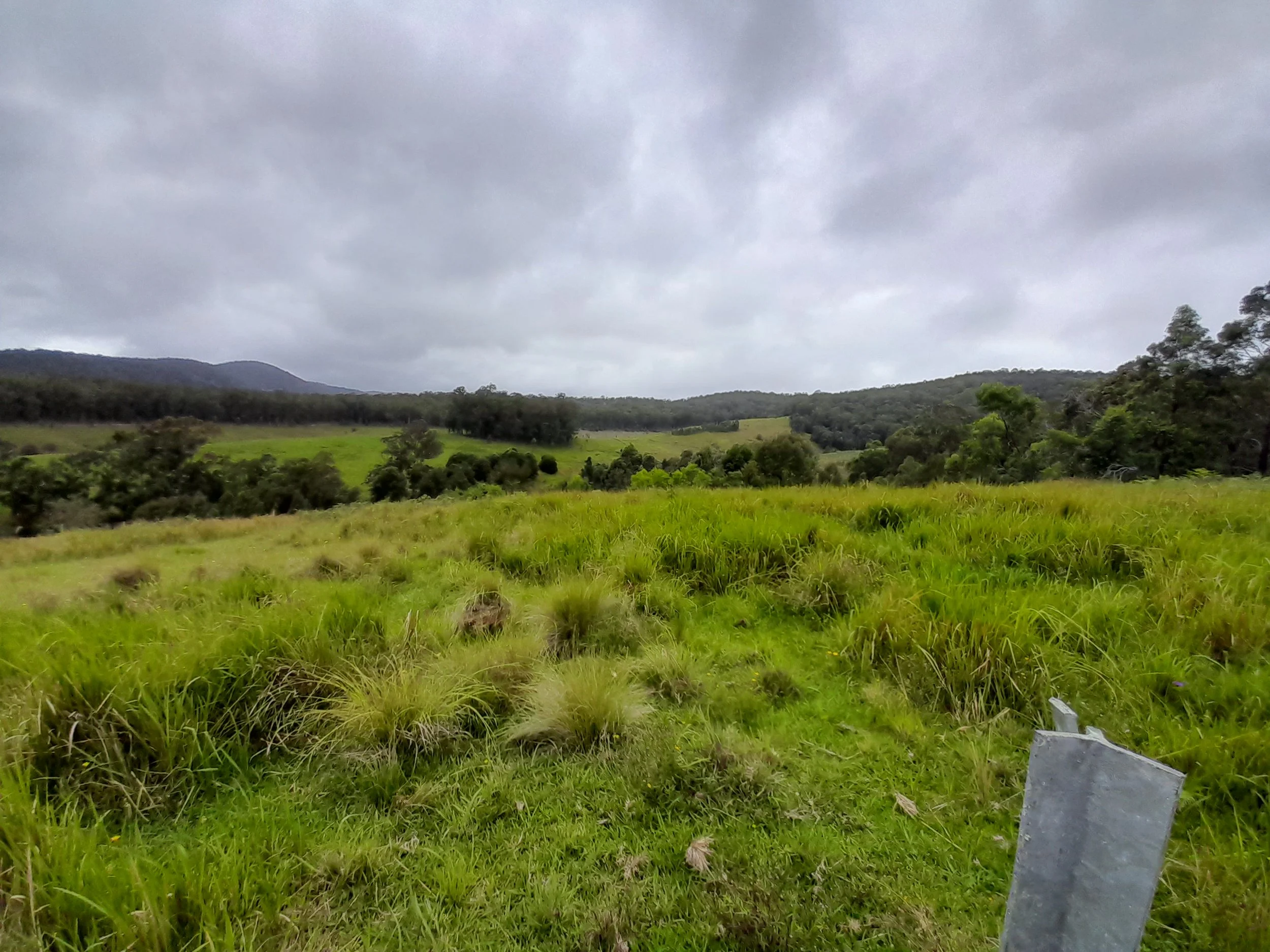
Environmental Asset Account snapshot.
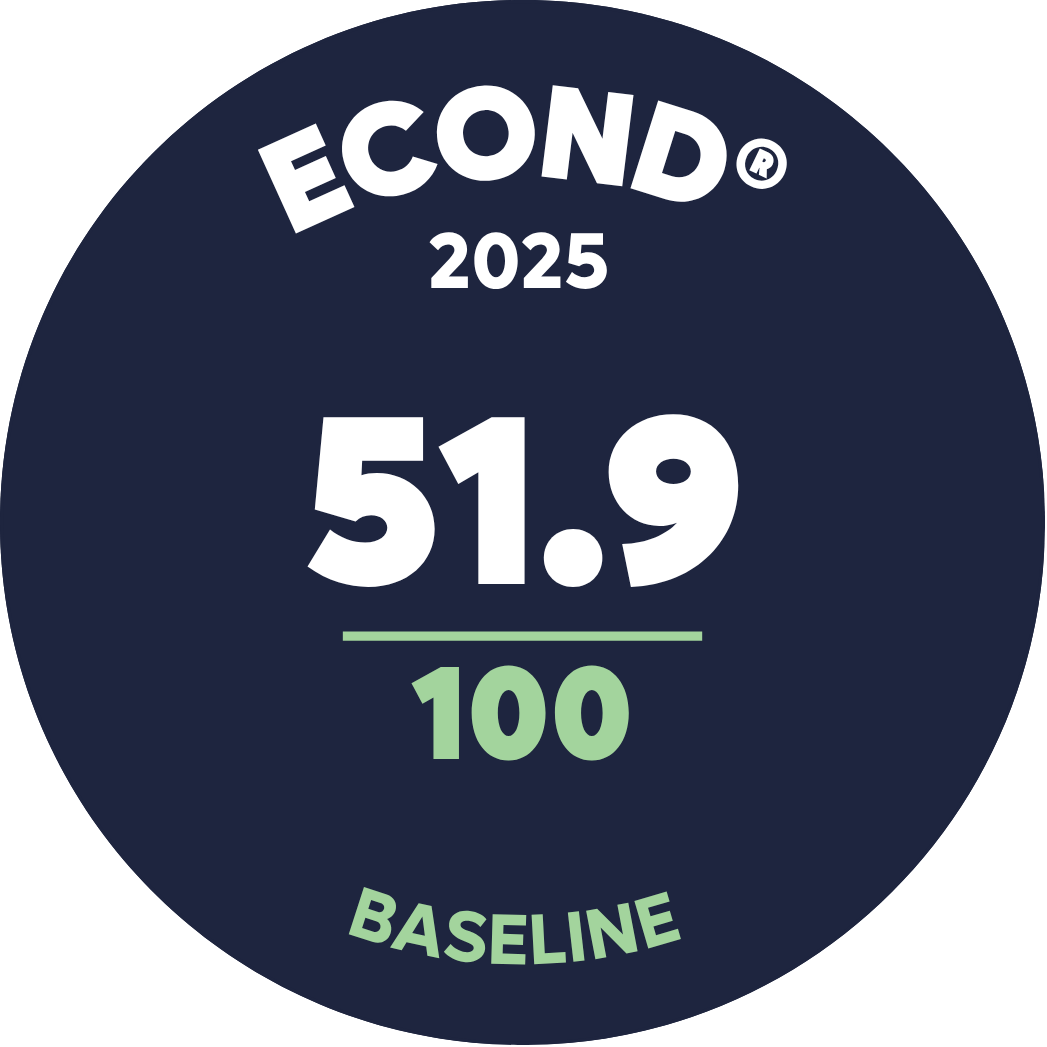
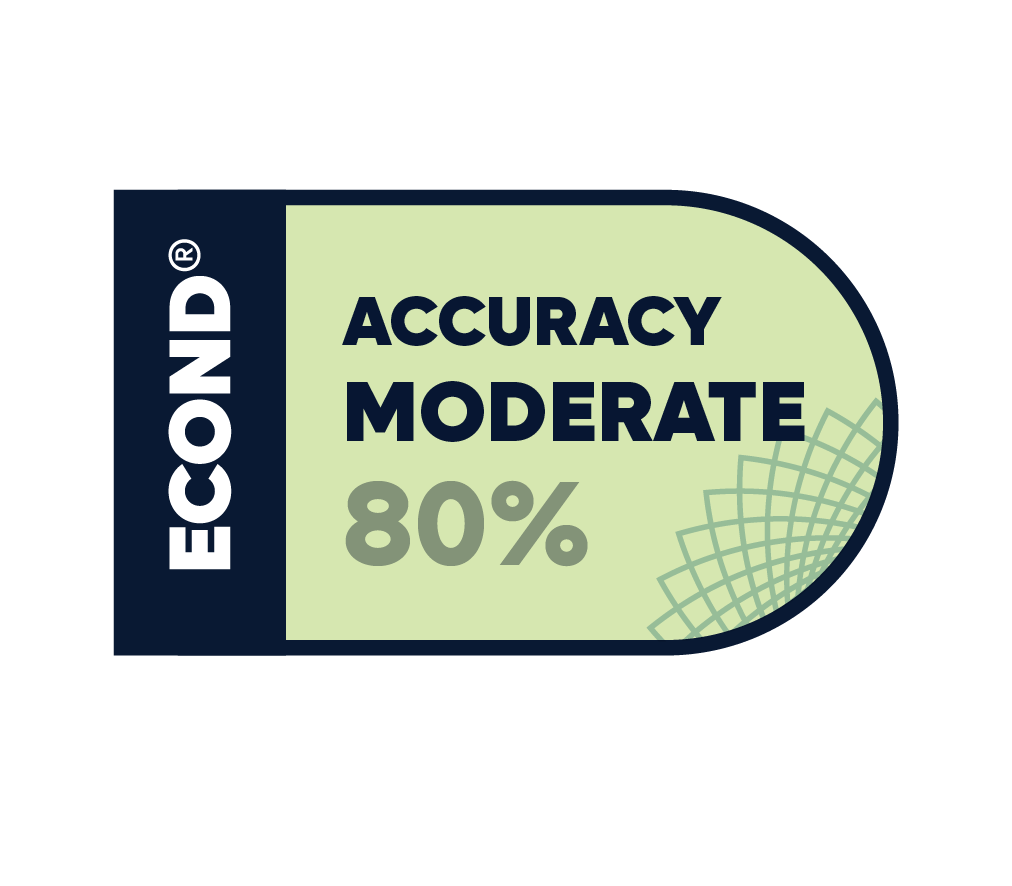
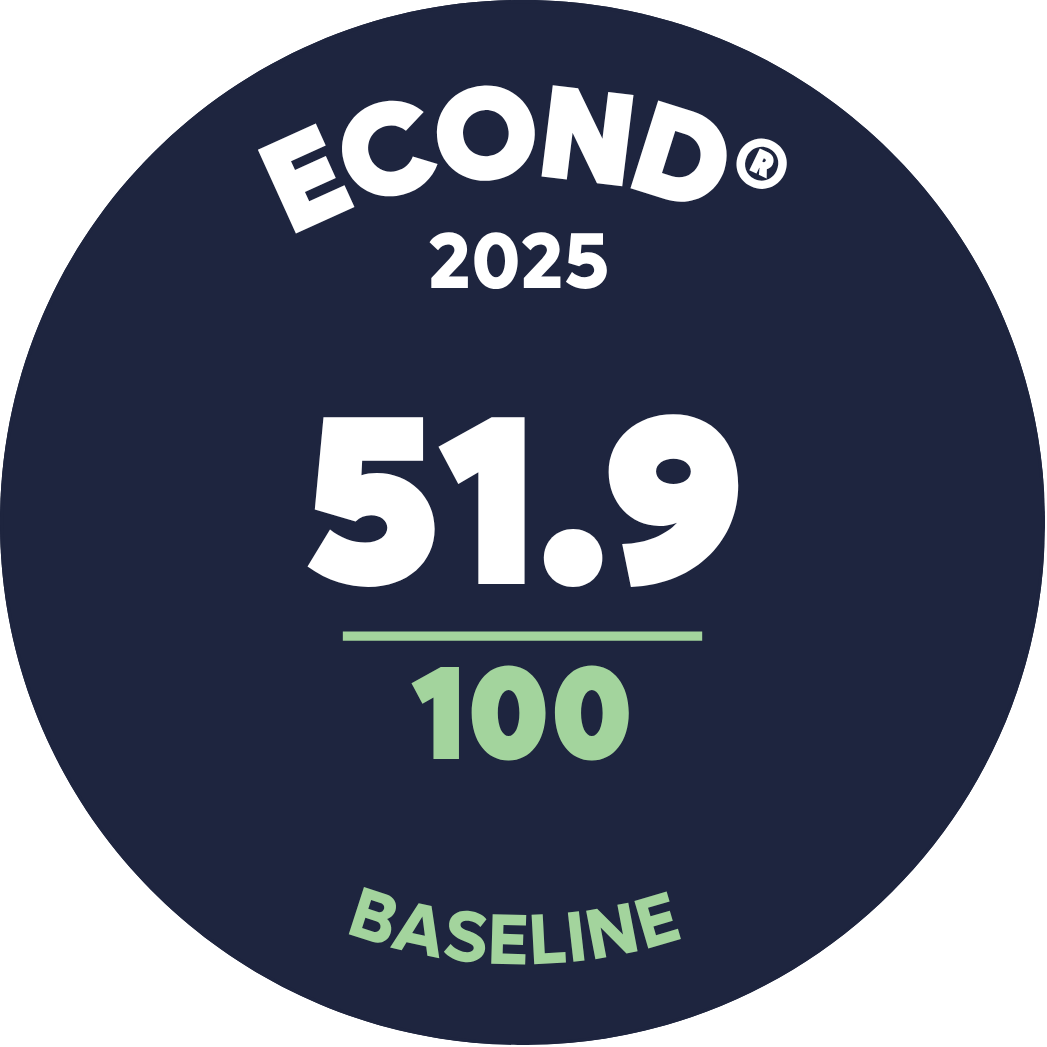
Environmental Asset Account Econd® summary.
Statement.
-
19 December 2024 - Registration Date
-
14 July 2026 - Certification Date
Significant outcomes.
The overall baseline Econd® score for Native Vegetation was 51.9. Wet Forest recorded the highest score of 55.8, closely followed by Rainforest at 54.0, while Dry Forest recorded the lowest score of 49.7. As Dry Forest covers more than 61% of the account area, it has a substantial influence on the overall result. Site context indicators were high across all assessment units (greater than 64%), contributing positively to overall results. This was significant given that several other indicators scored relatively low against the reference state. Areas for improvement have been identified and their potential impact on future Econd® scores considered.
Limitations & disclosures.
Vegetation Mapping and Spatial Data
Vegetation mapping was based on existing GIS data verified and refined through full account area ground-truthing, substantially reducing the likelihood of classification inaccuracies. Spatial data reliability is considered high, although some inherent inaccuracies remain that may influence the delineation of assessment units. Any such impacts are considered negligible.
Edge Effects
Some monitoring sites were located within 50m of sub-asset boundaries, increasing the potential for edge effects. This may influence vegetation structure and composition at these locations, particularly where adjacent areas differ in condition or management. Boundary influences should be considered when interpreting site-level results.
Sampling Intensity
Sampling intensity did not fully align with Method requirements. Two of the three assessment units were sampled below the recommended minimum number of sites, resulting in two fewer sites than required overall. Reduced sampling intensity may influence the representativeness of condition scores for some assessment units, and additional monitoring sites may be required in future assessments to improve statistical confidence and alignment with the Method.
Seasonal Variation
Most field data was collected during Spring (November 2025), with one site surveyed earlier in Autumn (May 2025). Seasonal differences in vegetation structure and cover may affect comparability between sites. Future monitoring would benefit from conducting surveys within a consistent period to improve comparability and reduce seasonal variability over time.
Environmental markets.

Australian Carbon Credit Unit (ACCU) Scheme project, registered with the Australian Clean Energy Regulator. More information can be found here:
Last update: 14 July 2026



Environmental Account.
Learn more about the Environmental Account. Environmental Accounts can have one or more Asset Accounts.