


Mountainside plantings.
Dungannon Farm & Eco Retreat.
Vegetation Asset Account.
Environmental Account ID: AU00081
Account Holder: Dungannon Farm & Eco Retreat
Purpose: Measure and track long-term changes to native vegetation condition as a result of environmental plantings and conservation efforts
Current land use: Cattle grazing and conservation
Environmental Asset: Vegetation - Native
Asset Account ID: AU00081V1
Registration date: 02 November 2024
Baseline Certification date: 27 April 2026
Certification pathway: AfN-Verified
Asset Account area: 27 ha (21.6% of property area)
Method: AfN-METHOD-V-06
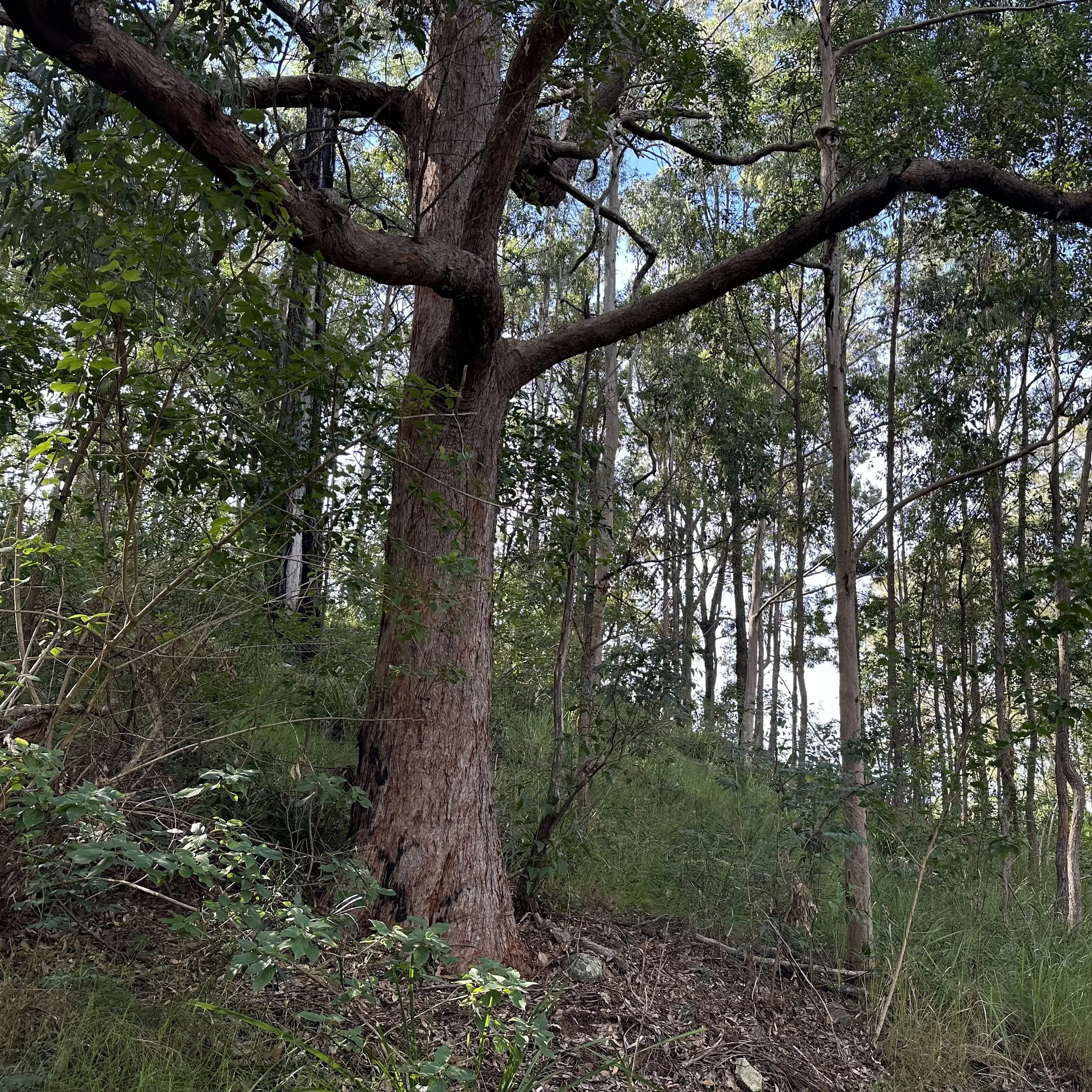
Asset Account snapshot.
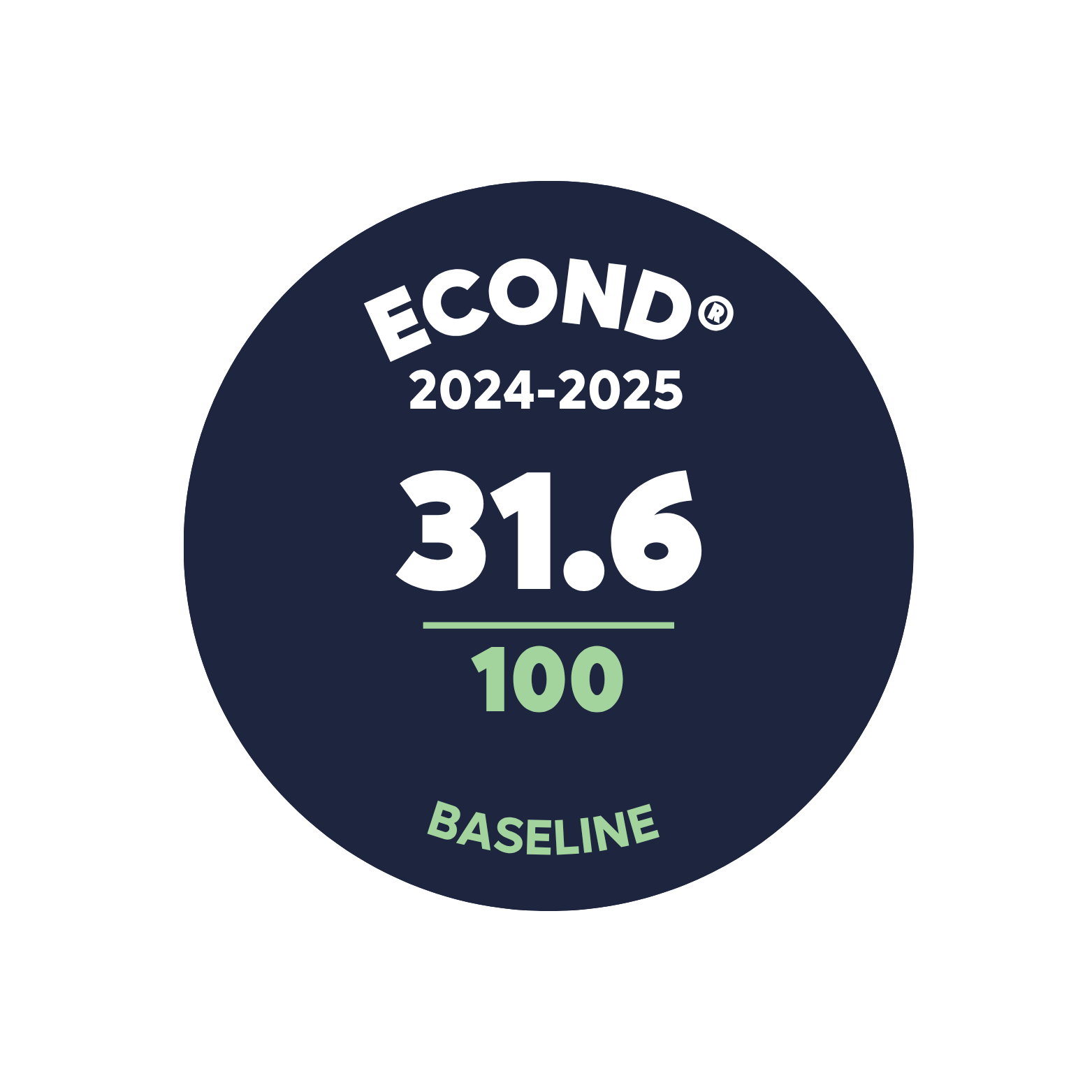
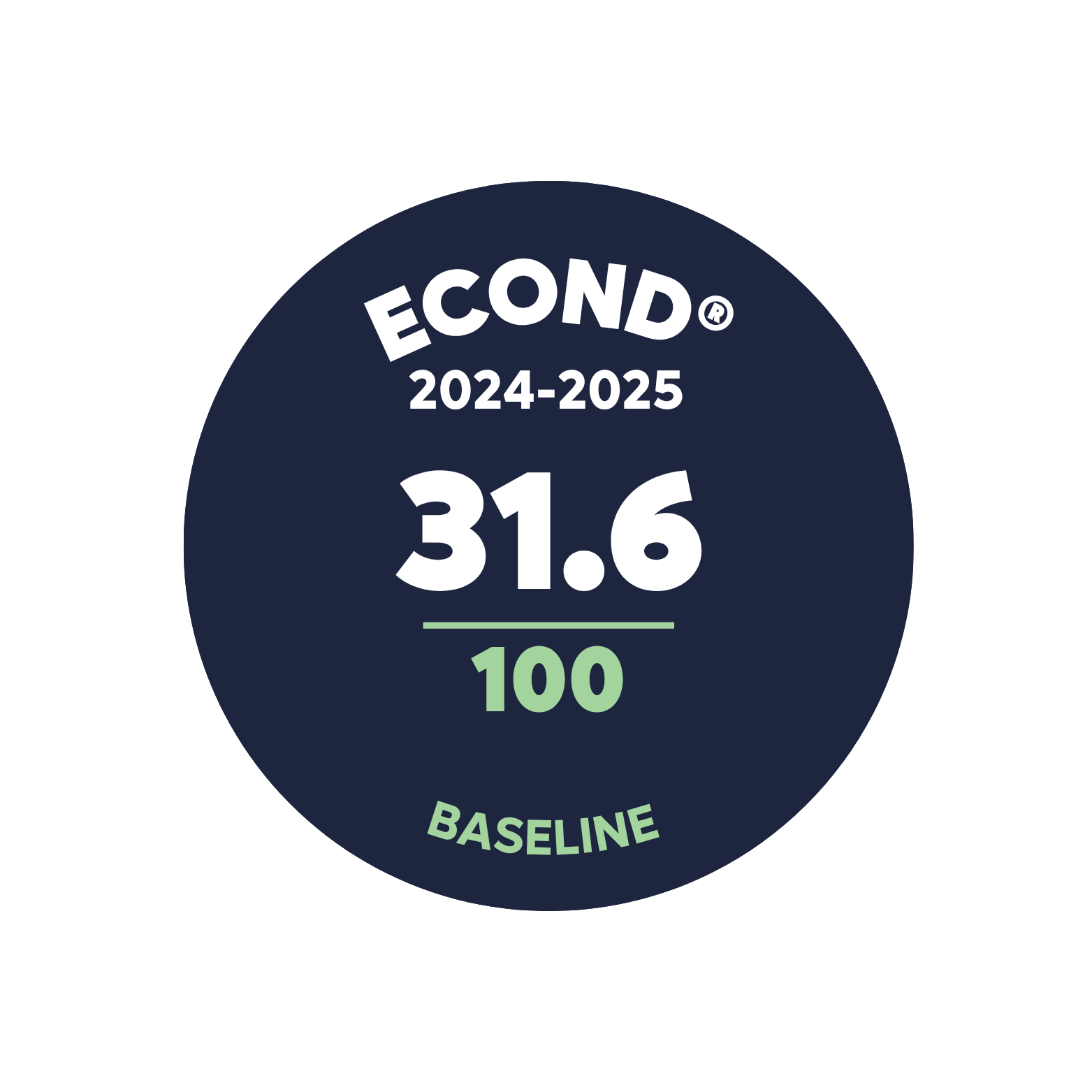
Asset Account Econd® summary.
Asset Account statement.
-
02 November 2024 - Registration Date
-
27 April 2026 - Certification Date
Significant outcomes.
The inaugural condition assessment indicated a generally degraded site, with very poor native vegetation cover and an asset Econd® of 31.6. The Econd® could have been substantially lower than recorded had it not been for the significant litter cover on the site.
Of the six observation sites, five were generally in poor condition. One site was significantly better. This was representative of the overall 27 ha Asset Account area, with the majority of the area dominated by exotic woody weeds or exotic grasses, and with only limited, patchy areas including small clusters of native vegetation.
Limitations & disclosures.
Access and Data Collection
Extensive lantana cover and steep slopes made access to some locations difficult during data collection. This was mitigated by selecting observation sites as representative areas of the Asset Account.
Site Context Calculations
A limitation was identified in the manual approach used to calculate site context. Prior to the next reporting period, the Account Holder will investigate options for procuring assistance in calculating site context using a suitable GIS tool.
Seasonal Sampling Windows
Two different sampling windows were used to determine Econd®, one in April and one in October. To mitigate the risk of seasonal confounding and bias, each individual site has been classified as either an April or October site and will be consistently re-sampled at the same point in time in each reporting period. The use of two seasonal windows improves the robustness of Econd® by capturing greater seasonal diversity, accounting for native deciduous trees on the site, and averaging across variations in grass cover, litter, and soil moisture that differ significantly between seasons.
Last Update: 15 April 2026



Environmental Account.
Learn more about the Environmental Account.