


Eco Park Habitat.
Eco Park Habitat.
Vegetation Asset Account.
Environmental Account ID: AU00120
Account Holder: Eco Park Habitat
Purpose: To measure and communicate change in native vegetation condition across a carbon planting project to guide land management
Current land use: Livestock grazing
Environmental Asset: Vegetation - Native
Asset Account ID: AU00120V1
Registration date: 06 February 2026
Baseline Certification date: 03 November 2026
Certification pathway: AfN-Verified
Accredited Expert: John Nagle, Nicolai Cooper
Environmental Asset Account area: 10 ha (12.8% of property area)
Method: AfN-METHOD-V-06
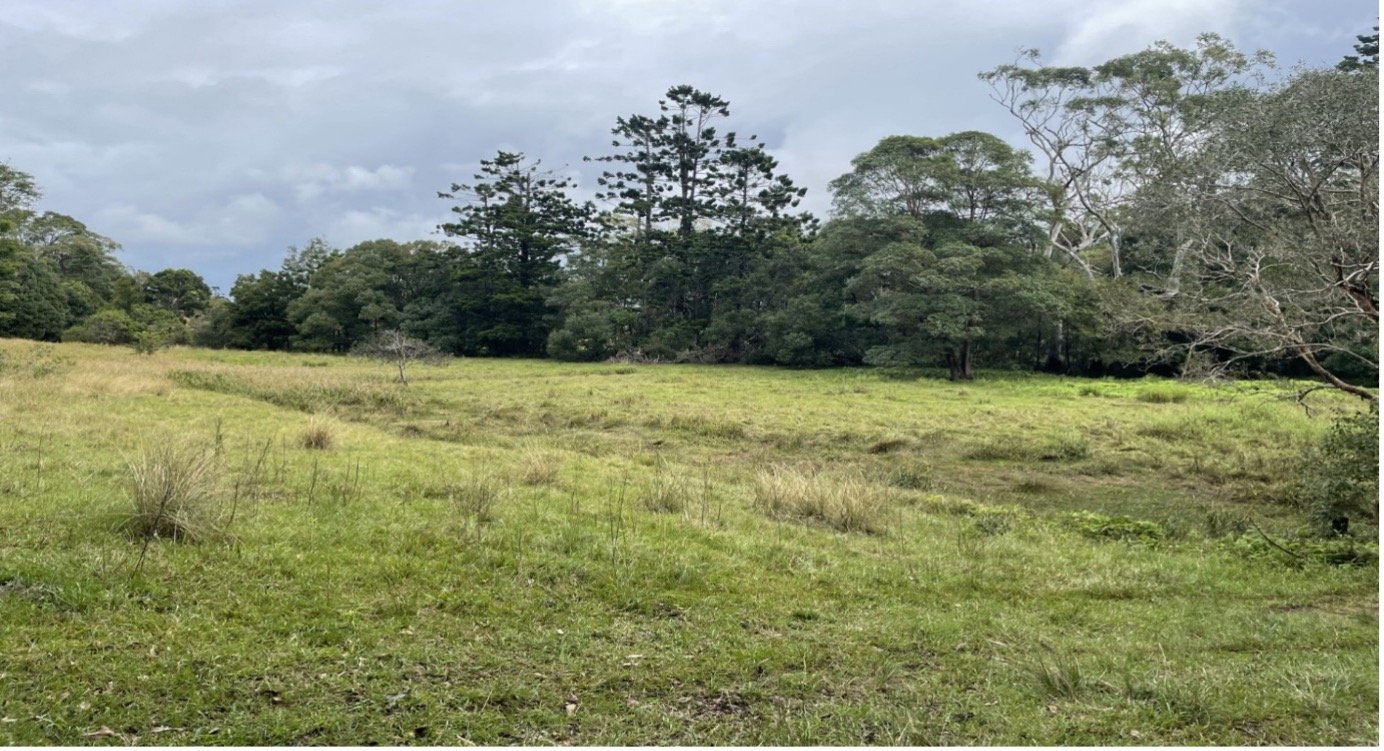
Environmental Asset Account snapshot.
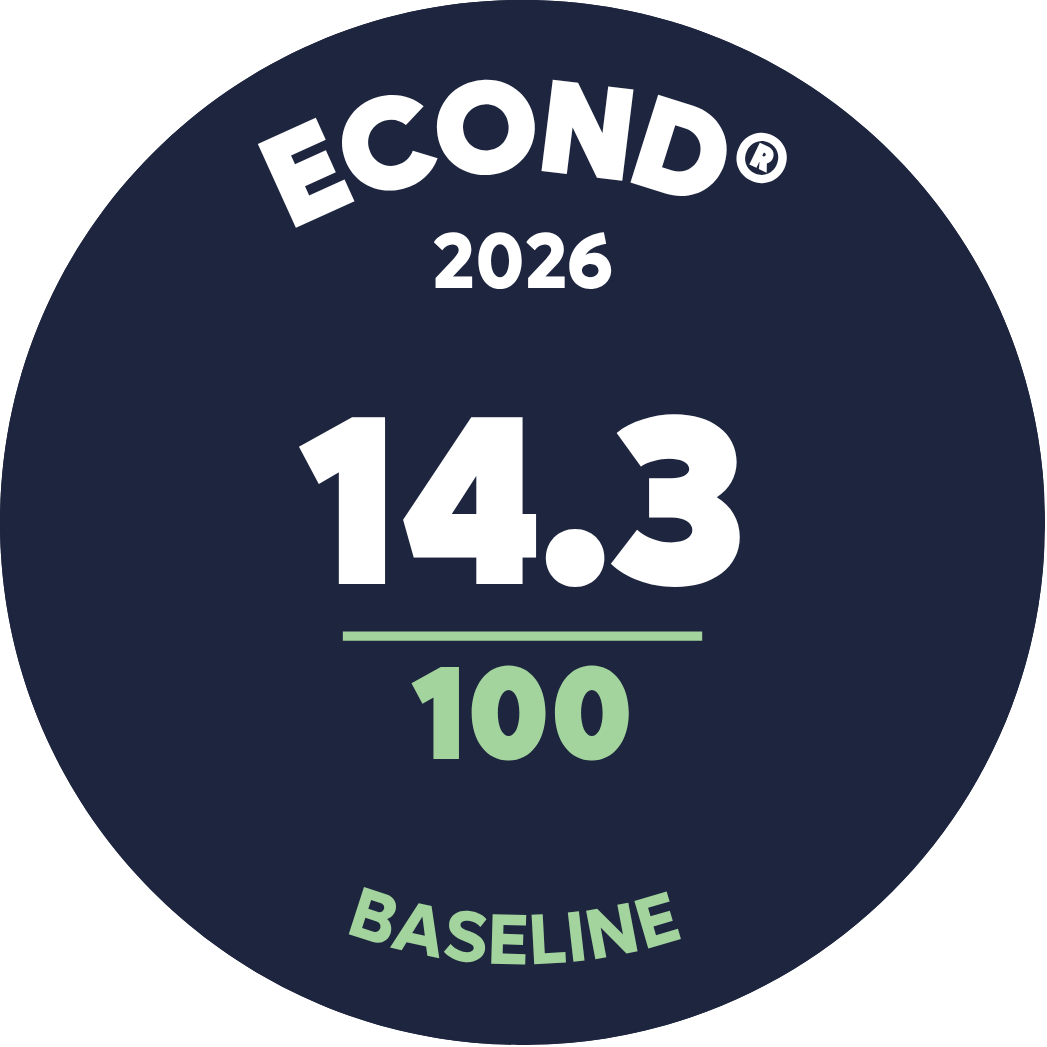
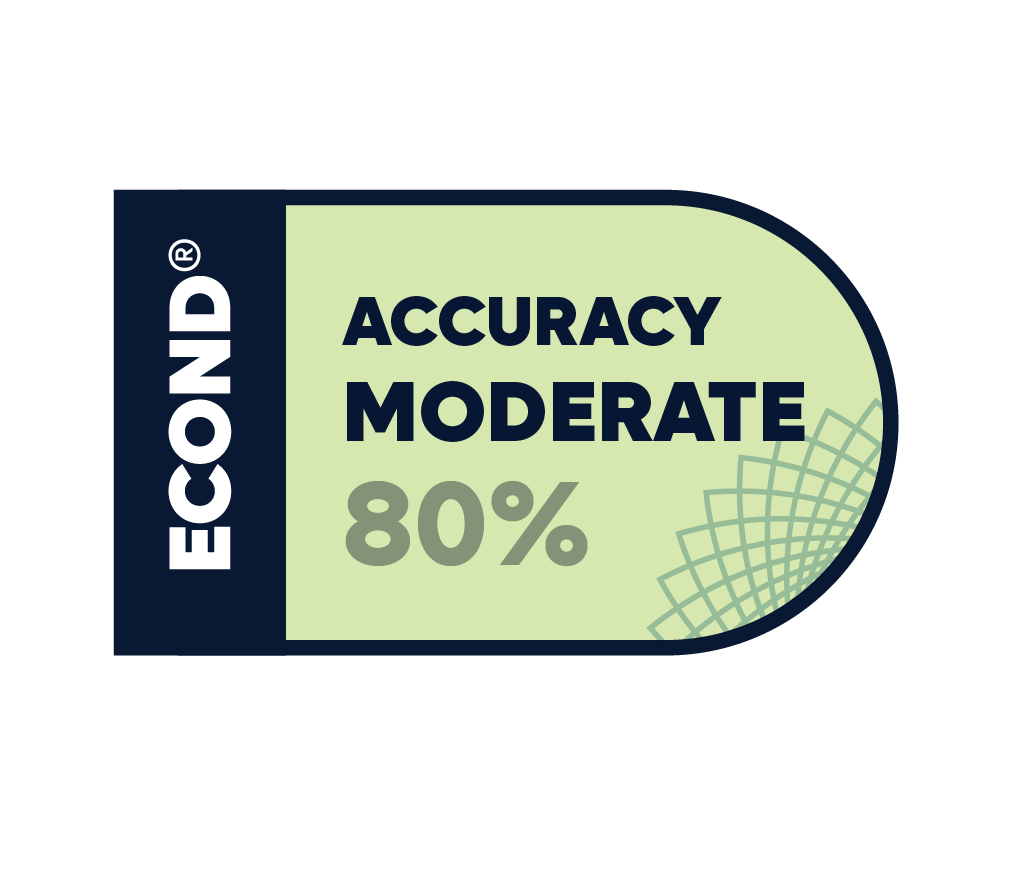
Environmental Asset Account Econd® summary.
Environmental Asset Account statement.
-
06 February 2026 - Registration Date
03 November 2026 - Certification Date
Significant outcomes.
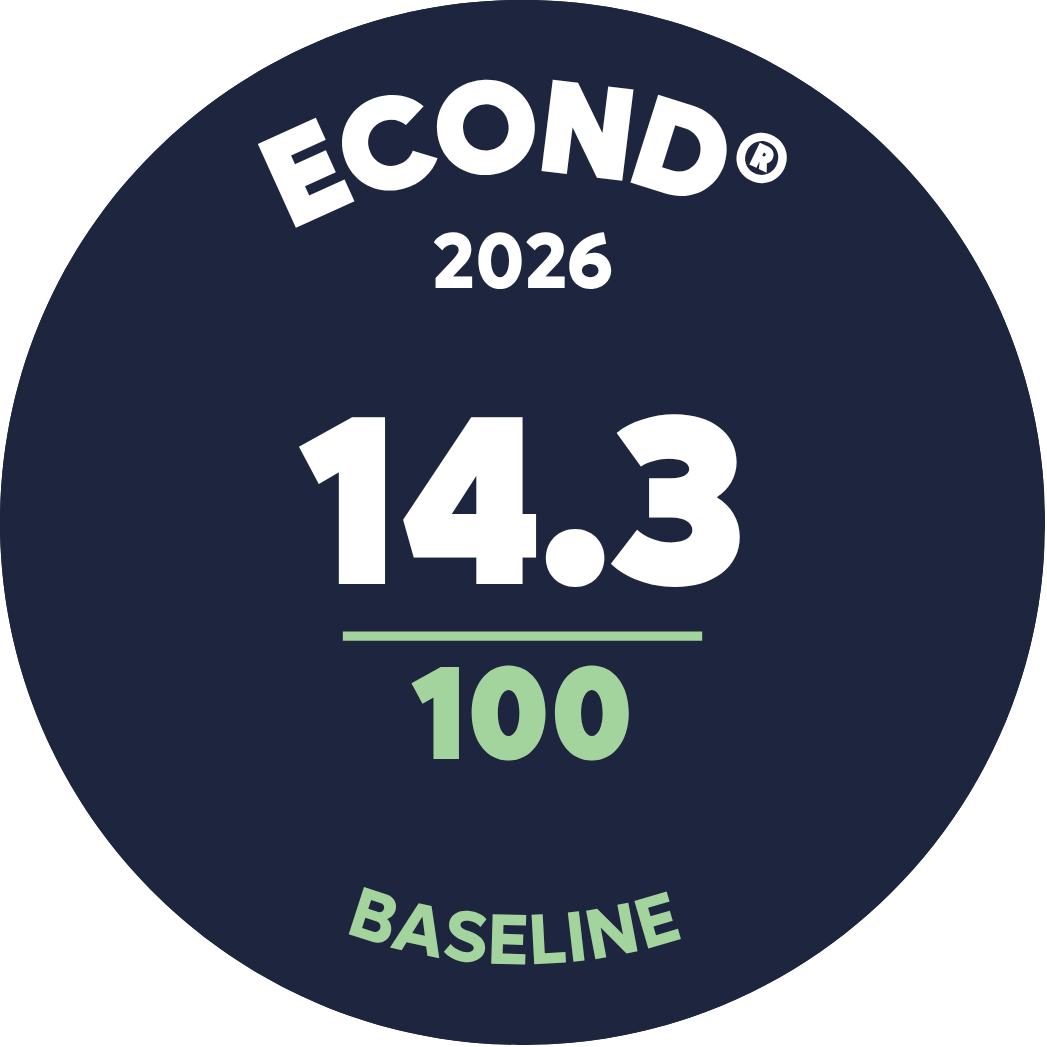
The baseline Econd® score for the Environmental Account area is 14.3. This low score is expected, as the planting sites were previously grazed and contained very little remnant native vegetation. Ground cover was dominated by exotic grasses and pasture weeds, so most native vegetation cover indicators for ground, tree, mid-layer and shrub cover scored 0 against the benchmarks for each Plant Community Type. Non-native plant cover scored very high, and litter cover was minimal due to the lack of woody vegetation.
The score was recorded before planting began and is expected to rise as the revegetation establishes. Over time, the plantings aim to restore the site to vegetation similar to Far North Paperbark Fern Swamp Forest, Northern Sands Swamp Mahogany Shrubby Rush Forest and Far North Brush Box – Walnut Wet Forest. Future reporting will track this change in condition against the baseline.
Limitations & disclosures.
Permanent sample sites
As the site is preparing for revegetation activities, permanent monitoring sites could not be established as it would interfere with the machinery required for revegetation. To minimise the impact of this, GPS coordinates were recorded for each star picket location at every sample site. These coordinates and the photos taken at each picket will be used to establish permanent monitoring sites during the next data collection period (likely less than 12 months after baseline collection). By this time, revegetation activities will have concluded, and star pickets will not interfere with the ongoing maintenance activities.
Sample sites were placed 30 metres from edges, rather than the 50 metres specified in the method, due to a misinterpretation of the method’s requirements. The impact of this difference is expected to be minor. Sites closer to tracks and edges can experience greater weed incursion and reduced growth from environmental factors such as prevailing winds. However, the site has good connectivity and is surrounded by intact vegetation, which is likely to limit these effects.
Reference Benchmarks
There were limitations in the availability of Reference Condition Benchmark data. The composition benchmark data that is advised for use in the Method for Environmental Accounts in NSW, does not provide the complete data set required for the composition indicators in the Method. The missing indicators include:
Tree canopy height (m)
Sub-canopy height (m)
Sub-canopy cover (%)
Where data was lacking, composition data was taken at the vegetation class level instead of the PCT level. Expert opinion was also utilised for each PCT to provide appropriate benchmark scores for the missing indicators.
Impacts to the calculation and accuracy of the Econd should remain minor. The use of vegetation class data will reduce the accuracy of some of the specific composition indicators for each of the PCTs benchmarked. However, using vegetation classes as a guide provides a good estimate. Importantly, seeking and using expert opinion to provide accurate reference benchmark measurements for the missing indicators ensures the benchmarks are as accurate as can be practically expected.
Environmental markets.

Australian Carbon Credit Unit (ACCU) Scheme project, registered with the Australian Clean Energy Regulator. More information can be found here:
Last update: 14 November 2026



Environmental Account.
Learn more about the Environmental Account. Environmental Accounts can have one or more Asset Accounts.