


TIA Dairy Research Facility.
Tasmanian Institute of Agriculture, University of Tasmania.
Soil Environmental Asset Account.
Environmental Account ID: AU00105
Account Holder: Tasmanian Institute of Agriculture, University of Tasmania
Purpose: Measure the change in soil condition overtime to inform sustainable land management and transparent reporting of environmental outcomes
Current land use: Dairy far,
Environmental Asset: Soil
Asset Account ID: AU00105S1
Registration date: 24 June 2025
Baseline Certification date: 15 October 2026
Certification pathway: AfN-Verified
Accredited Expert/s: Matthew Taylor, Siobhan de Little
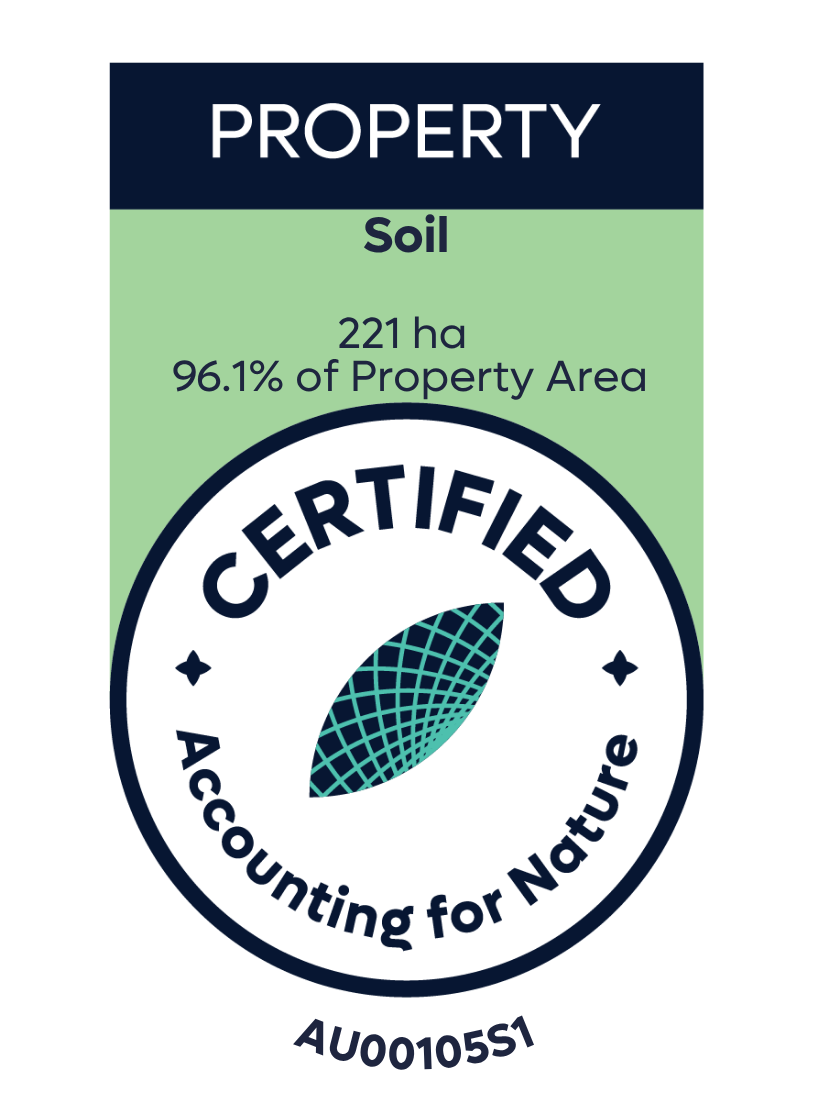
Asset Account area: 221 ha (96.1% of property area)
Method: AfN-METHOD-S-02
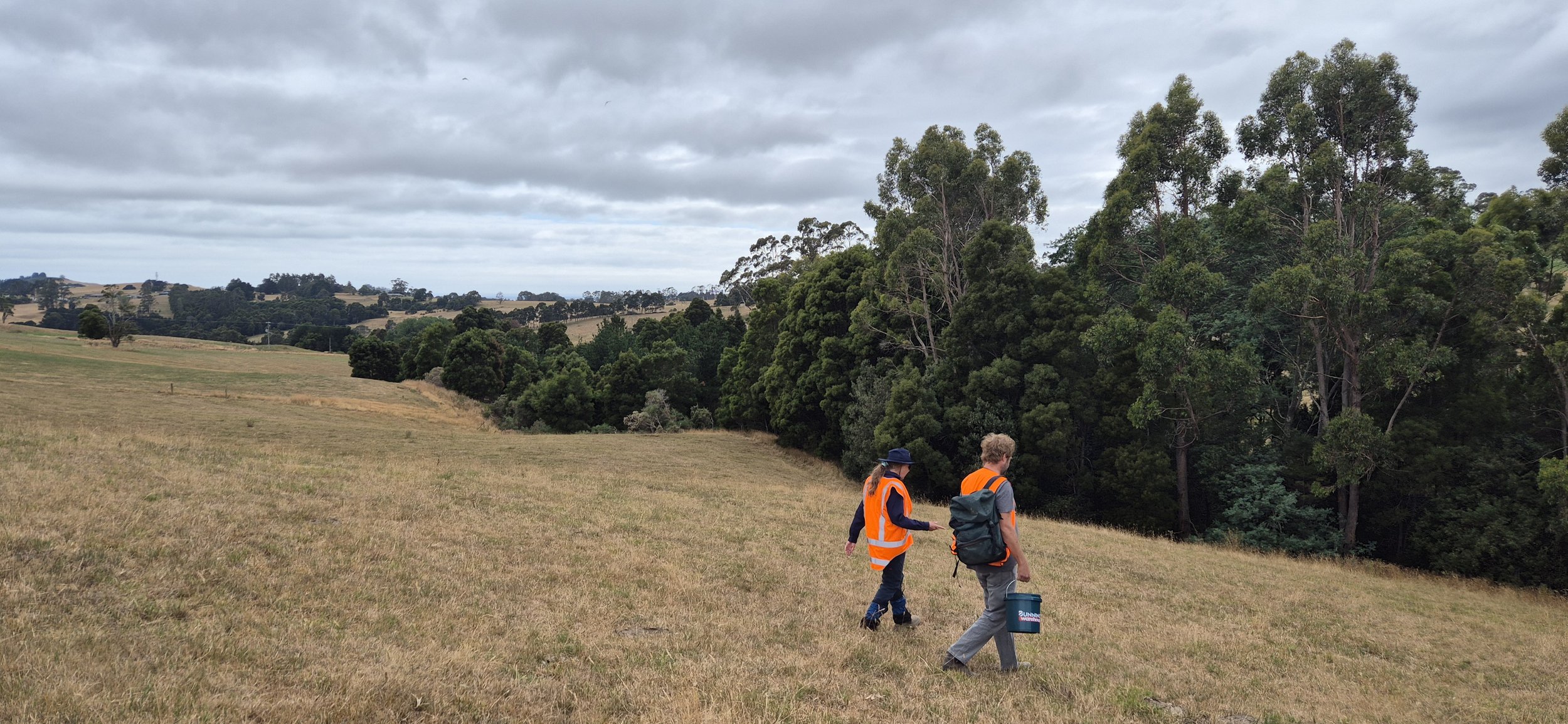
Environmental Asset Account snapshot.
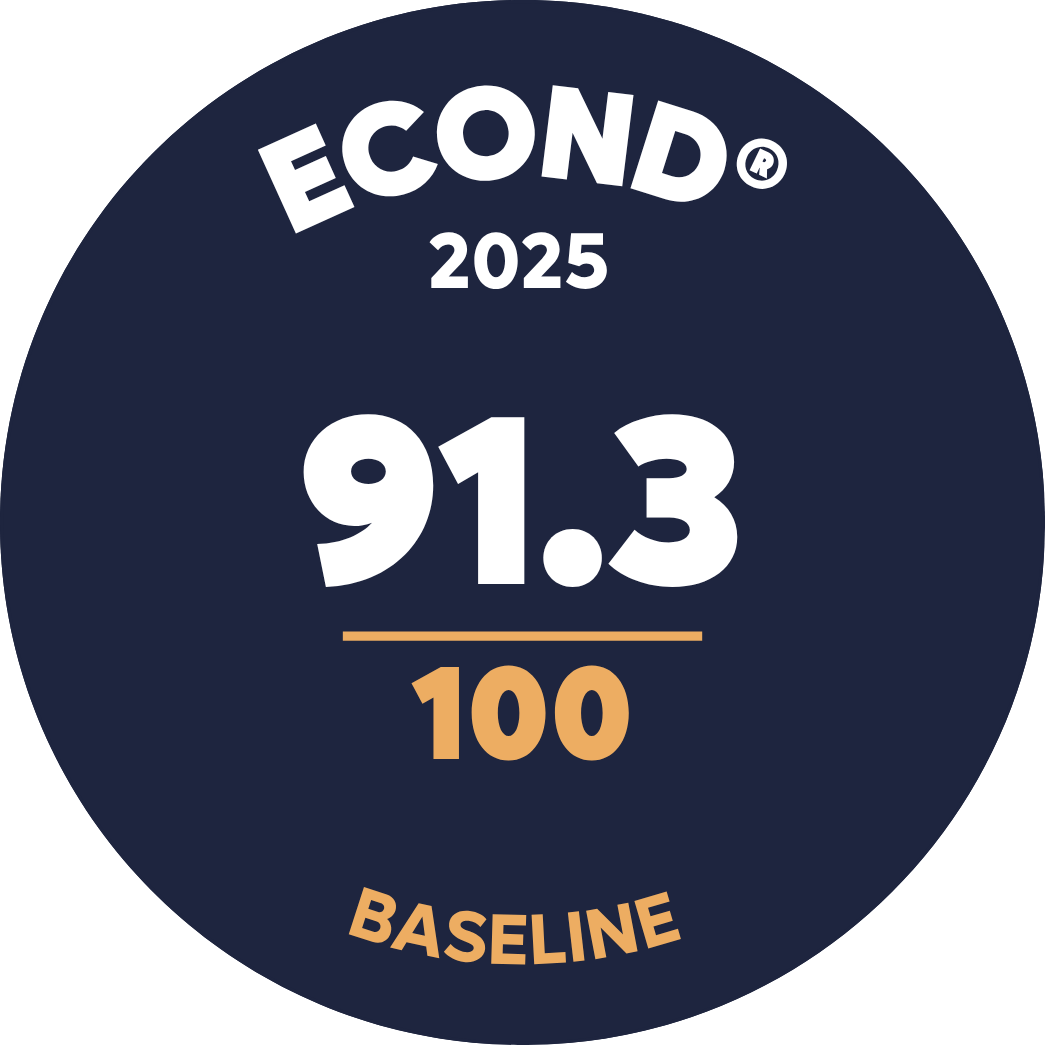
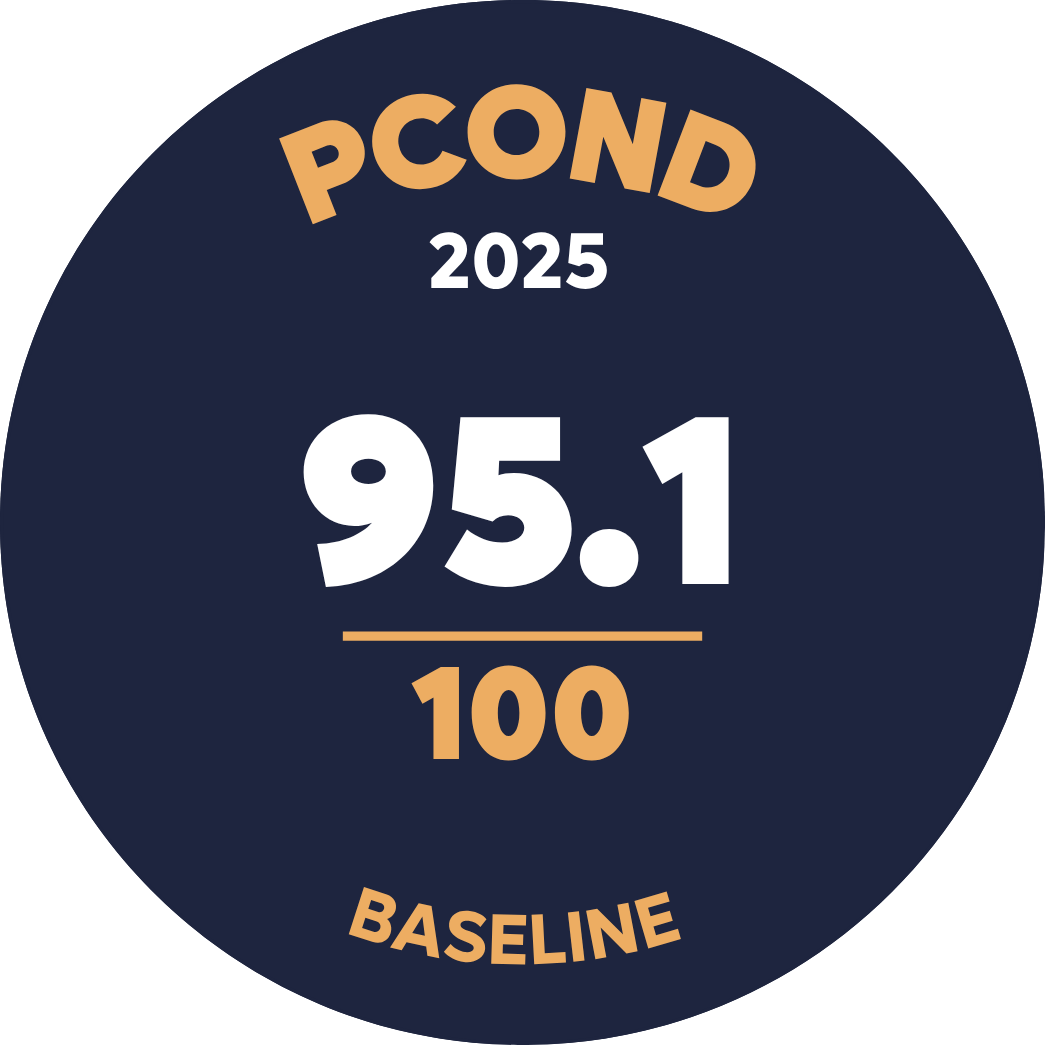
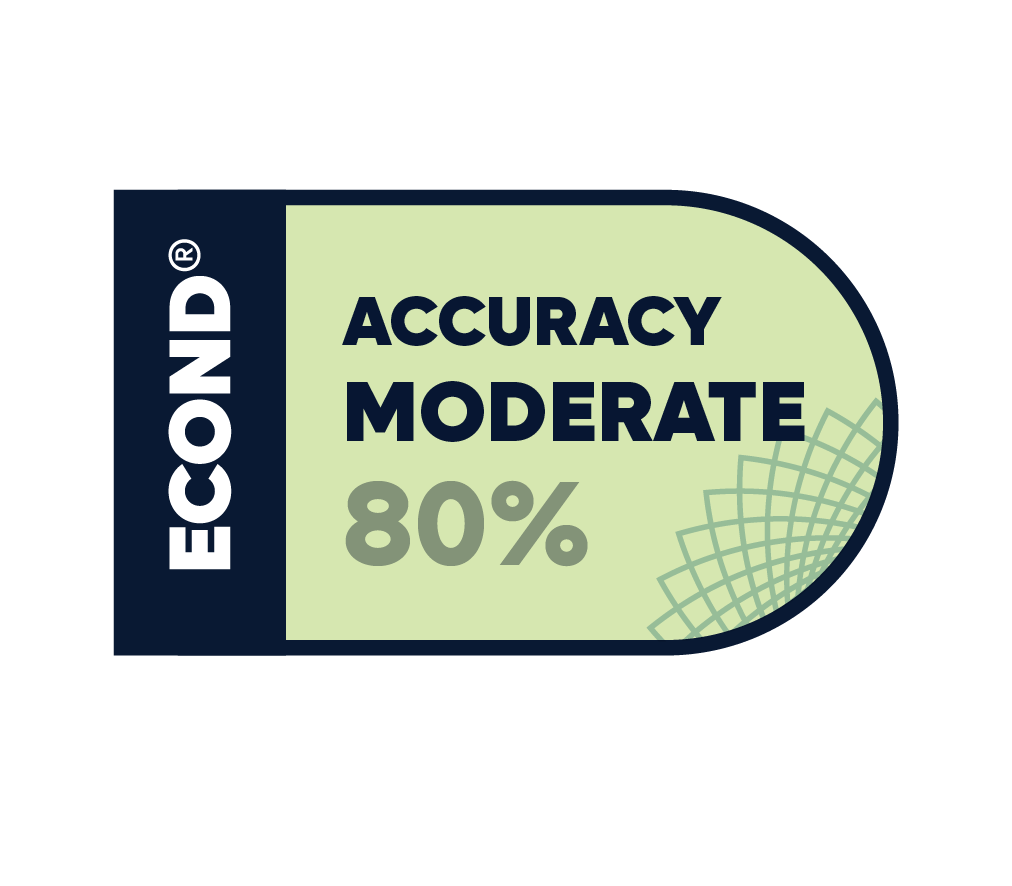

Environmental Asset Account Econd®/Pcond summary.
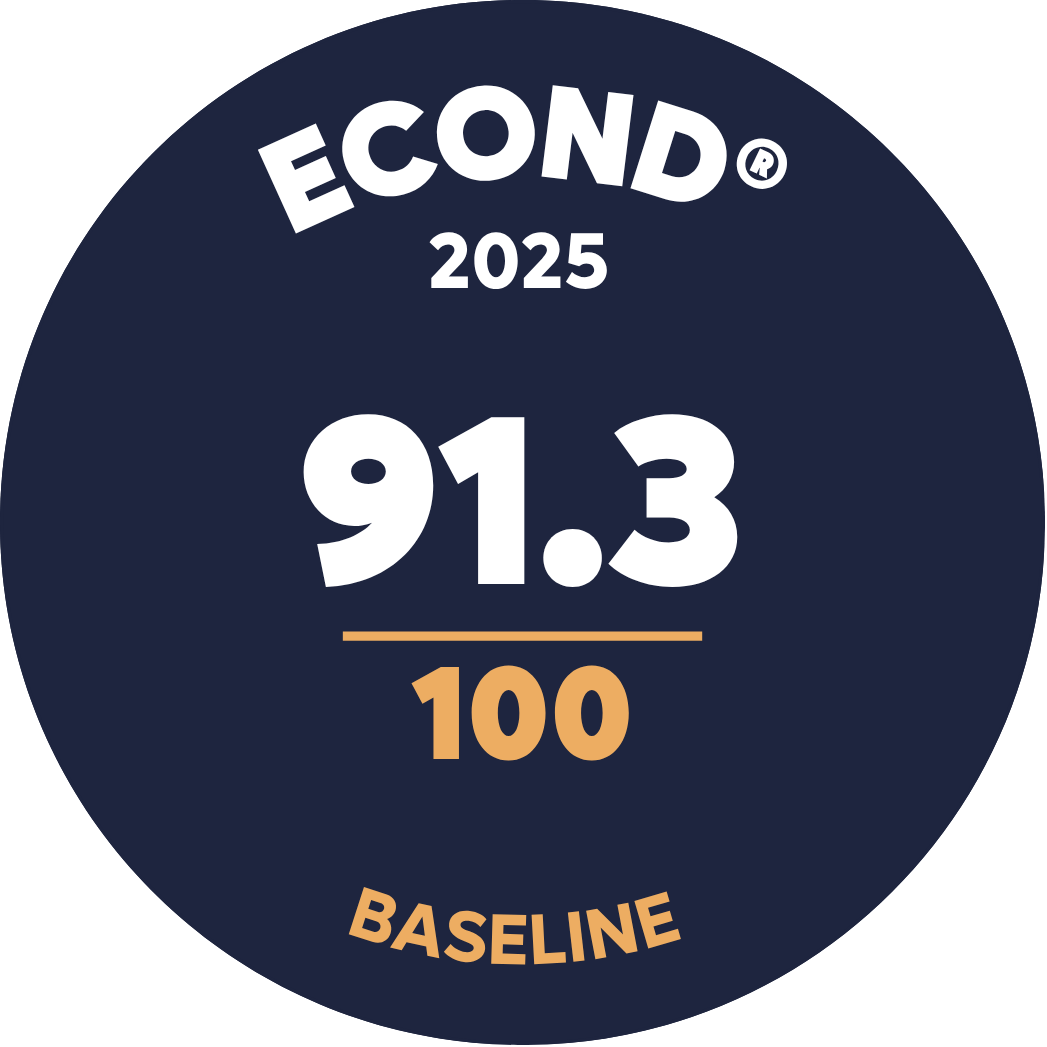
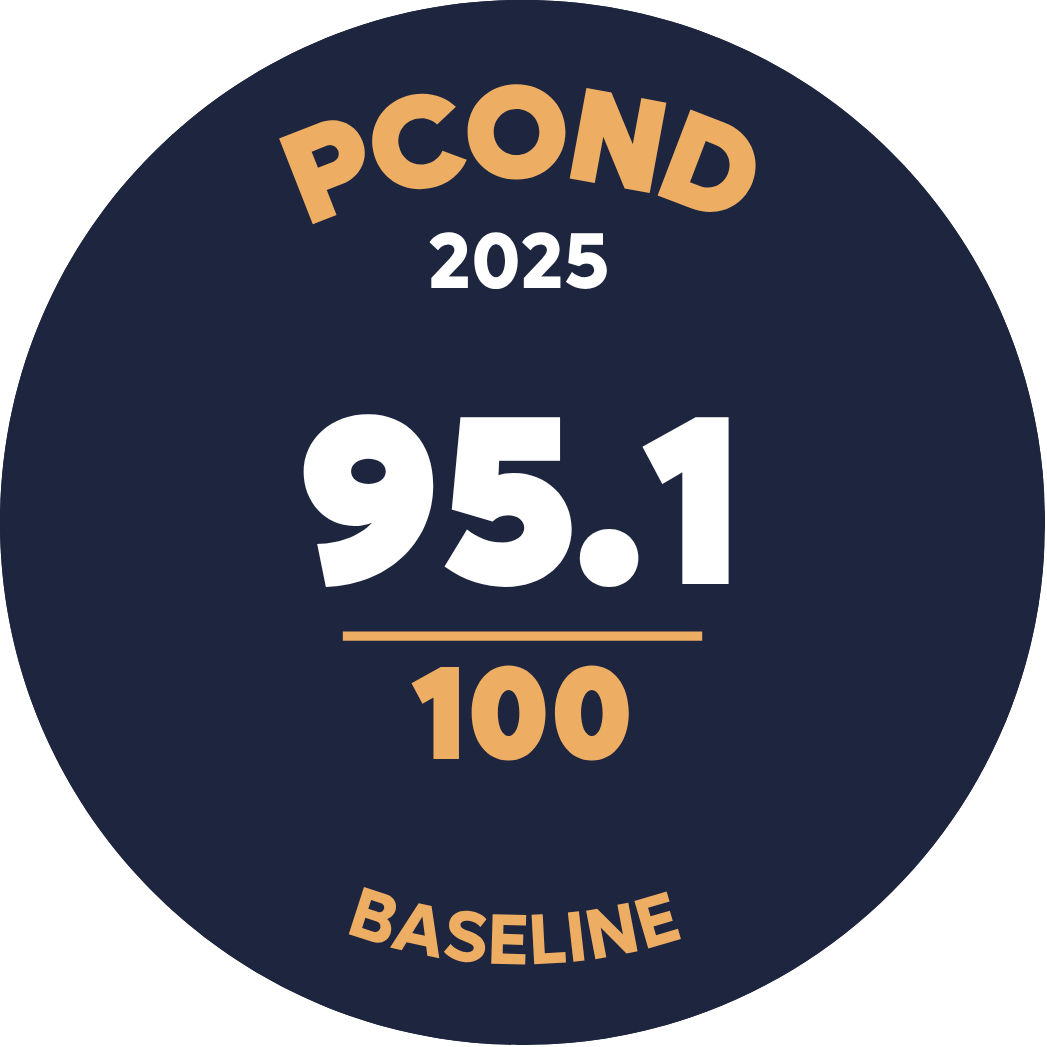
Environmental Asset Account statement.
-
24 June 2025 - Registration Date
-
15 October 2026 - Certification date
Significant outcomes.
An Econd® of 91.3 was recorded for Soil, indicating that soils across the TDRF remain in strong ecological condition relative to reference benchmarks. Soil organic carbon achieved maximum Indicator Condition Scores across all assessment units, demonstrating that underlying soil biological function and carbon status remain intact. The lowest Econd® scores were recorded for soil pH within the Ferrosol - Farmlet Trial assessment unit, reflecting the influence of intensive and experimental management practices. Moderate reductions in ground cover and salinity scores were also observed in actively managed agricultural areas, although these effects were localised and did not substantially reduce overall ecological condition.
A Pcond of 95.1 indicates that soils are generally performing very well relative to industry production benchmarks. Slight reductions in productive condition are evident in intensively managed areas. The irrigated assessment unit recorded the lowest Pcond(88), primarily influenced by phosphorus and salinity levels relative to productive benchmark ranges. The Farmlet Trial unit showed a minor reduction associated with pH. Despite these localised constraints, soil organic carbon remains within productive benchmark ranges across all assessment units. While ecological condition remains close to reference state across the property, variation in Pcond reflects management-driven impacts on soil properties directly influencing agricultural performance. These results support targeted management interventions in specific agricultural areas while maintaining the strong underlying ecological condition of soils across the TDRF.
Limitations & disclosures.
Indicators of Condition
Management of the TDRF has been designed by expert researchers to optimise pasture growth through a series of experimental treatments. Feedback from researchers suggests that the omission of nitrogen from the suite of condition indicators assessed by AfN-METHOD-S-02 doesn’t account for improvements in condition from pasture systems that include leguminous species
Last update: 15 October 2026



Environmental Account.
Learn more about the Environmental Account. Environmental Accounts can have one or more Asset Accounts.