


QNCF Stuarts Creek.
QNCF Stuarts Creek Operations PTY LTD as trustee for QNCF Stuarts Creek Operations Trust
Soil and Sediment Asset Account.
Environmental Account ID: AU00088
Account Holder: QNCF Stuarts Creek Operations PTY LTD as trustee for QNCF Stuarts Creek Operations Trust
Purpose: To provide robust measurements of soil condition to guide management and support improved soil health outcomes
Current land use: Cattle agistment
Environmental Asset: Soil
Asset Account ID: AU00088S1
Registration date: 28 January 2025
Baseline Certification date: 02 March 2026
Certification pathway: AfN-Verified
Asset Account area: 7,463 ha (90.3% of property area)
Method: AfN-METHOD-S-01
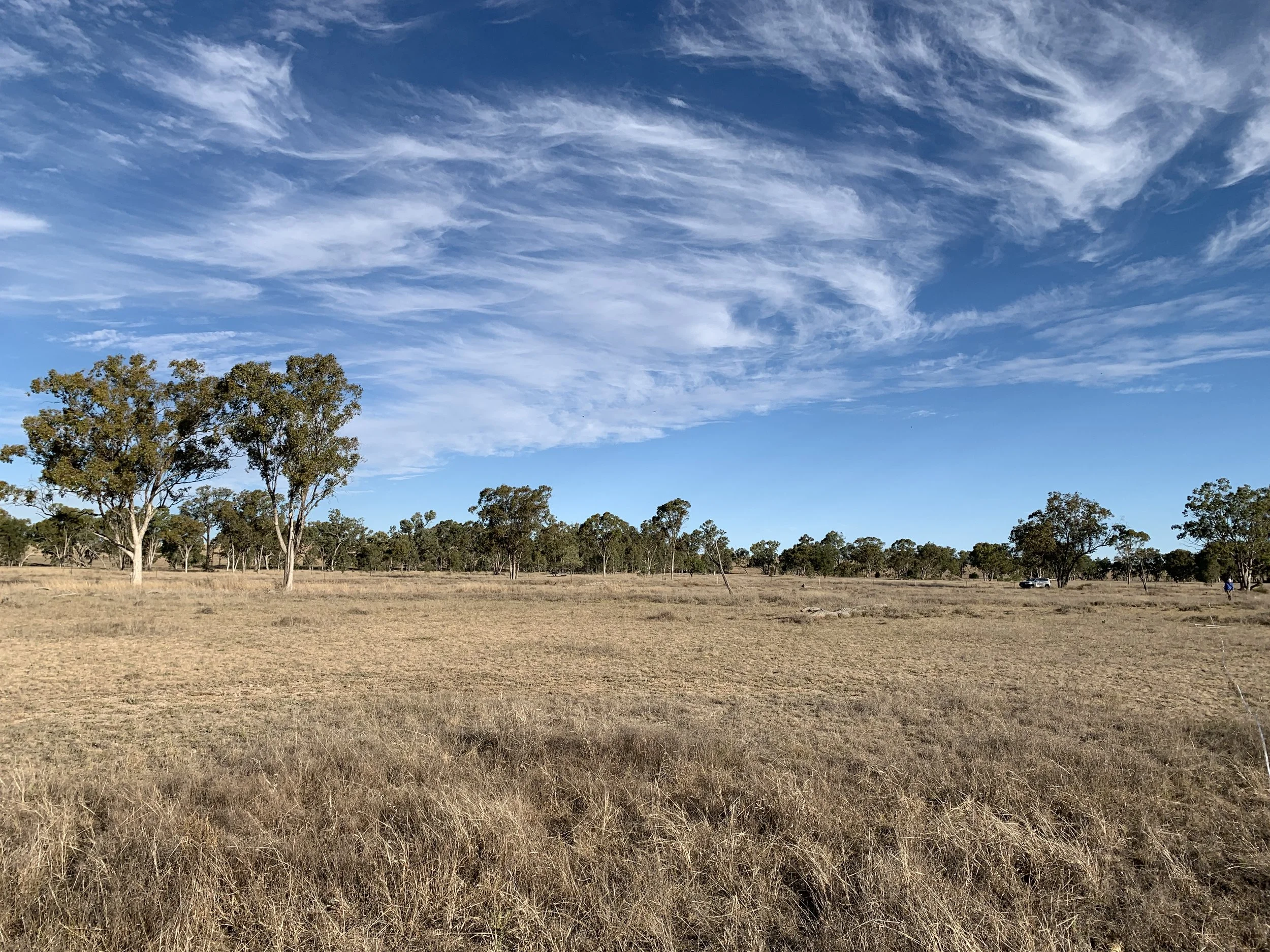
Asset Account snapshot.
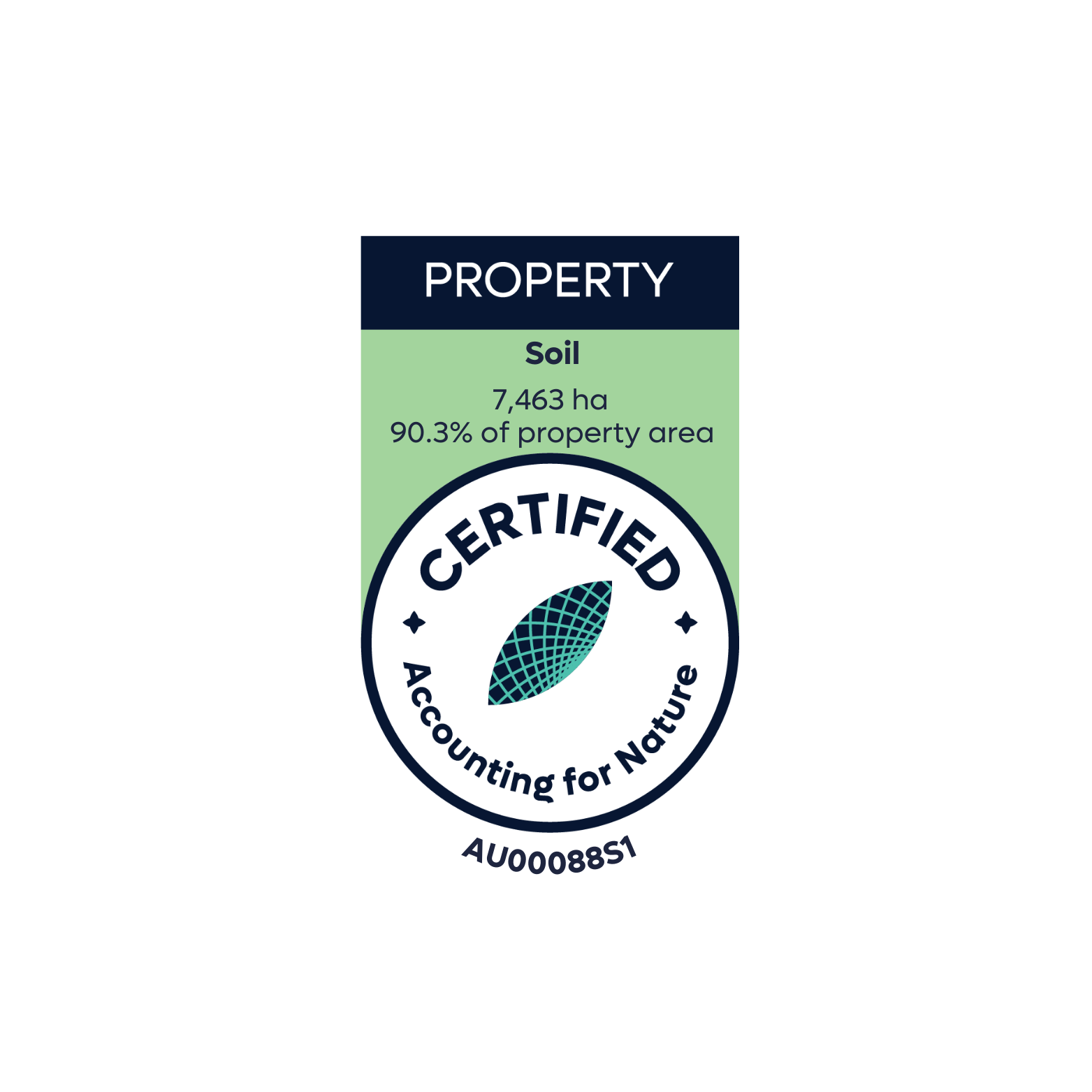

Asset Account Econd® summary.
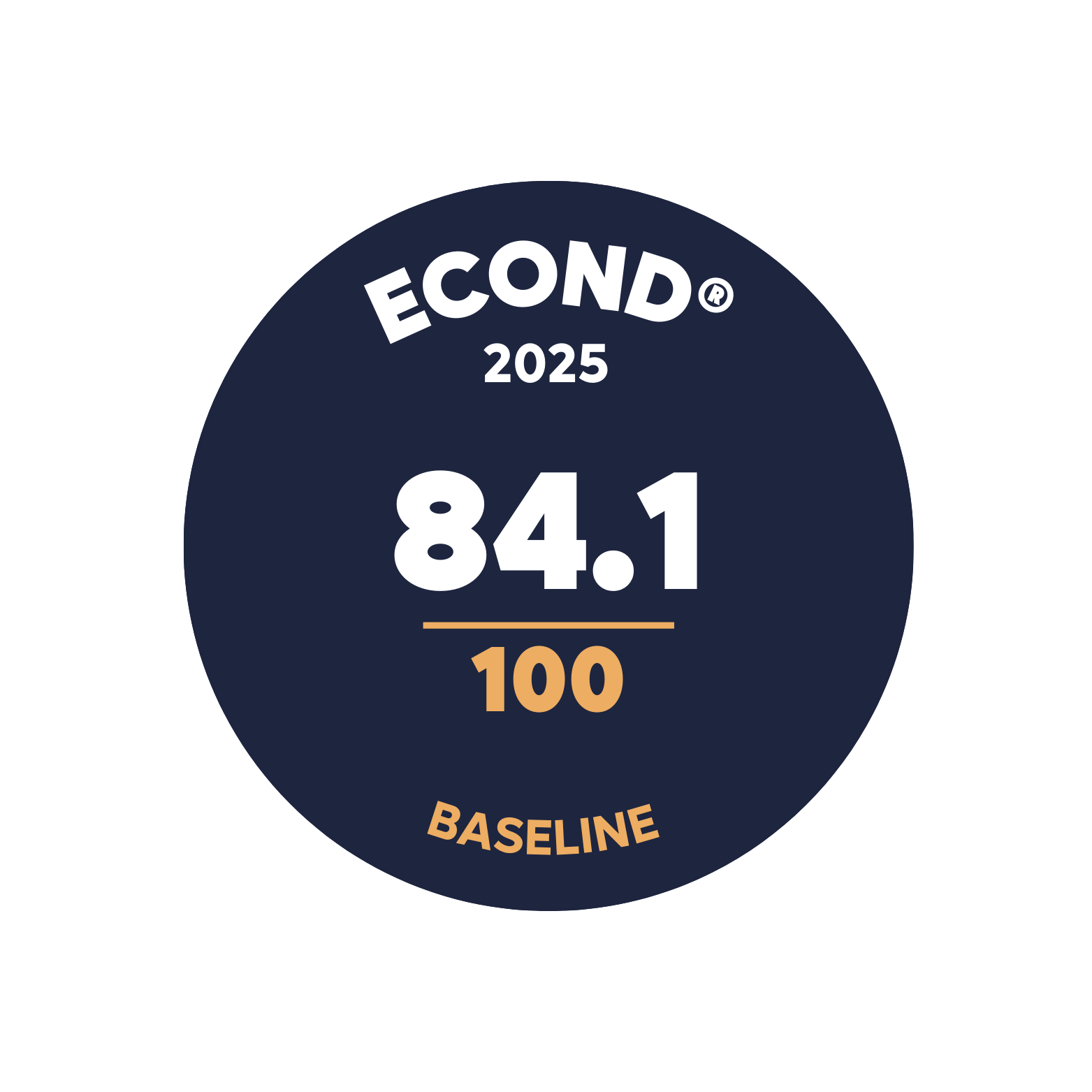
Asset Account statement.
-
28 January 2025 - Registration Date
-
02 March 2026 - Certification Date
Significant outcomes.
The current report determines the baseline condition of the Soil & Sediment Asset within the Stuart’s Creek Asset Account area at Confidence Level 1 (Section 2.2). This baseline assessment establishes the initial soil condition within each Assessment Unit from which future changes in soil condition can be reported on. The average values for each soil health indicator, Reference Benchmark conditions, ICS values and Econd scores for each Assessment Unit are presented in Section 7.
The baseline Econd score for the Asset Account area is 84.08, with SOC and total N generally being the most limiting factor across the Asset Account. In contrast, saline extent, soil pH and bulk density consistently met the Reference Benchmark condition in all Assessment Units. Overall, this assessment of the baseline Stuart’s Creek Soil & Sediment condition indicates this asset is at 84.08/100 of the optimal reference condition. A summary of the soil condition within each Assessment Unit is provided below.
Unit 3:
Unit 3 is the second largest Assessment Unit characterised by undulating terrain and uniform sandy-textured soils and texture-contrast soils with deep sandy topsoil.
Following the assessment of the nominated soil health indicators, soil pH, saline extent and bulk density values were determined to match the Reference Benchmark condition with and ICS of 100 for all three parameters. The most limiting factor for this Assessment Unit was determined to be SOC, with an ICS of 69.75, followed by total N with an ICS of 76.26.
The Econd® score for Unit 3 is, thus, determined to be 69.75 based on the most limiting factor of SOC.
Unit 20:
Unit 20 is the smallest Assessment Unit characterised by low-lying terrain and texture contrast soils and cracking clay soils.
Following the assessment of the nominated soil health indicators, soil pH, saline extent and bulk density values were determined to match the Reference Benchmark condition with and ICS of 100 for all four parameters. The most limiting factor for this Assessment Unit was determined to be total N, with an ICS of 77.07, followed by SOC with an ICS of 81.7.
The Econd score for Unit 20 is, thus, determined to be 77.07 based on the most limiting factor of total N.
Unit 21:
Unit 21 is the largest Assessment Unit characterised by low-lying terrain and texture contrast soils and cracking clay soils.
Following the assessment of the nominated soil health indicators, SOC, soil pH, saline extent, EC, total N and bulk density values were determined to match the Reference Benchmark condition with and ICS of 100 for all six parameters. The most limiting factor for this Assessment Unit was determined to be ground cover, with an ICS of 96.71.
The Econd score for Unit 21 is, thus, determined to be 96.71 based on the most limiting factor of ground cover.
Unit 30:
Unit 30 is the second smallest Assessment Unit characterised by alluvial plains with texture-contrast soils.
Following the assessment of the nominated soil health indicators, soil pH, saline extent, and bulk density values were determined to match the Reference Benchmark condition with and ICS of 100 for all three parameters. The most limiting factor for this Assessment Unit was determined to be SOC, with an ICS of 81.45, followed by total N with an ICS of 90.74.
The Econd score for Unit 30 is, thus, determined to be 81.45 based on the most limiting factor of SOC.
Limitations & disclosures.
One limitation for this Asset Account relates to the time of sampling. Due to operational constraints, sampling occurred in late summer (March 2025) rather than winter – late spring as advised by the LRF Soil Health Monitoring Method. The time of sampling may therefore, not reflect true erosion risk. If possible, this limitation will be mitigated by undertaking subsequent sampling rounds at a similar time of year as the baseline sampling round to ensure comparable seasonal conditions. This project is also intended to align with sampling for the Stuart’s Creek Soil Carbon Project, which may influence timing of subsequent events.
Environmental markets.

Australian Carbon Credit Unit (ACCU) Scheme project, registered with the Australian Clean Energy Regulator. More information can be found here:
Last update: 03 March 2026



Environmental Account.
Learn more about the Environmental Account.