


Thorny Devil Restoration Project.
Elserae Agriculture.
Vegetation Asset Account.
Environmental Account ID: AU00124
Account Holder: Elserae Agriculture
Purpose: To measure and track the condition of native vegetation over time as plantings establish, for potential use in environmental markets
Current land use: Cropping
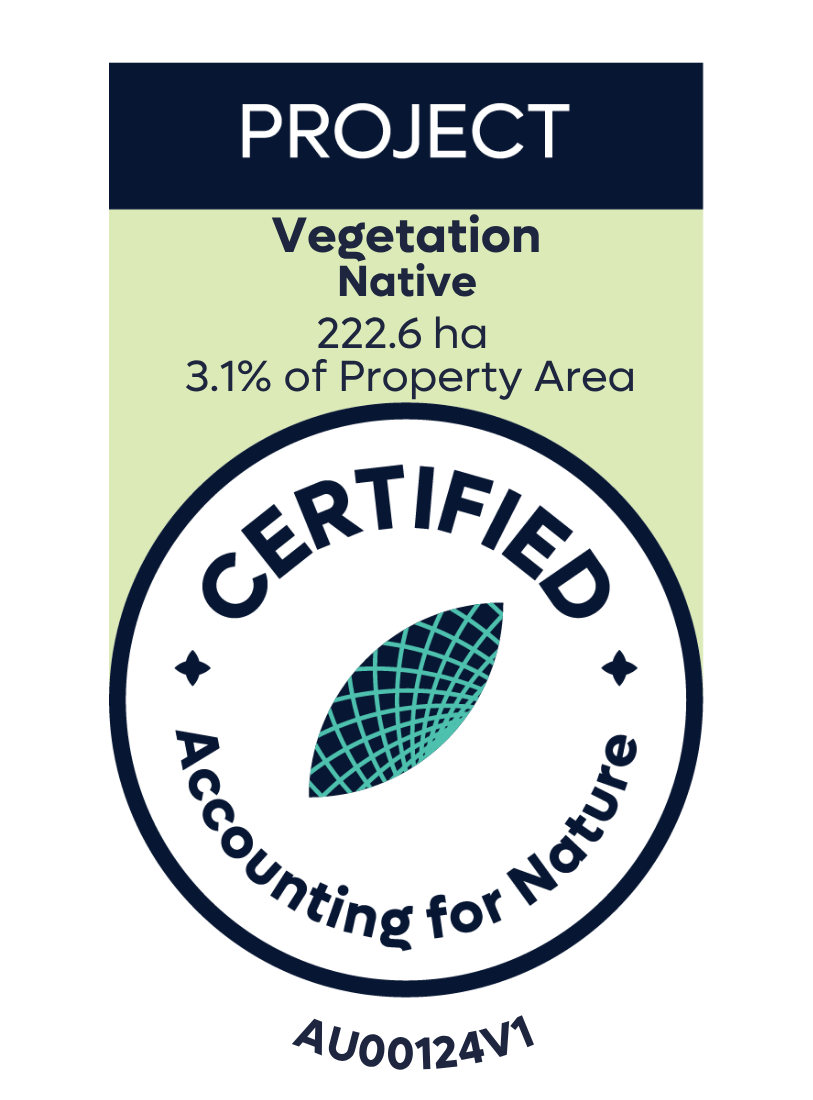
Environmental Asset: Vegetation - Native
Asset Account ID: AU00124V1
Registration date: 24 March 2026
Baseline Certification date: 03 November 2026
Certification pathway: AfN-Verified
Accredited Expert: Crispin Underwood
Environmental Asset Account area: 222.6 ha (3.1% of property area)
Method: AfN-METHOD-V-03

Environmental Asset Account snapshot.
Environmental Asset Account Econd® summary.
Environmental Asset Account statement.
-
24 March 2026 - Registration Date
03 November 2026 - Certification Date
Significant outcomes.
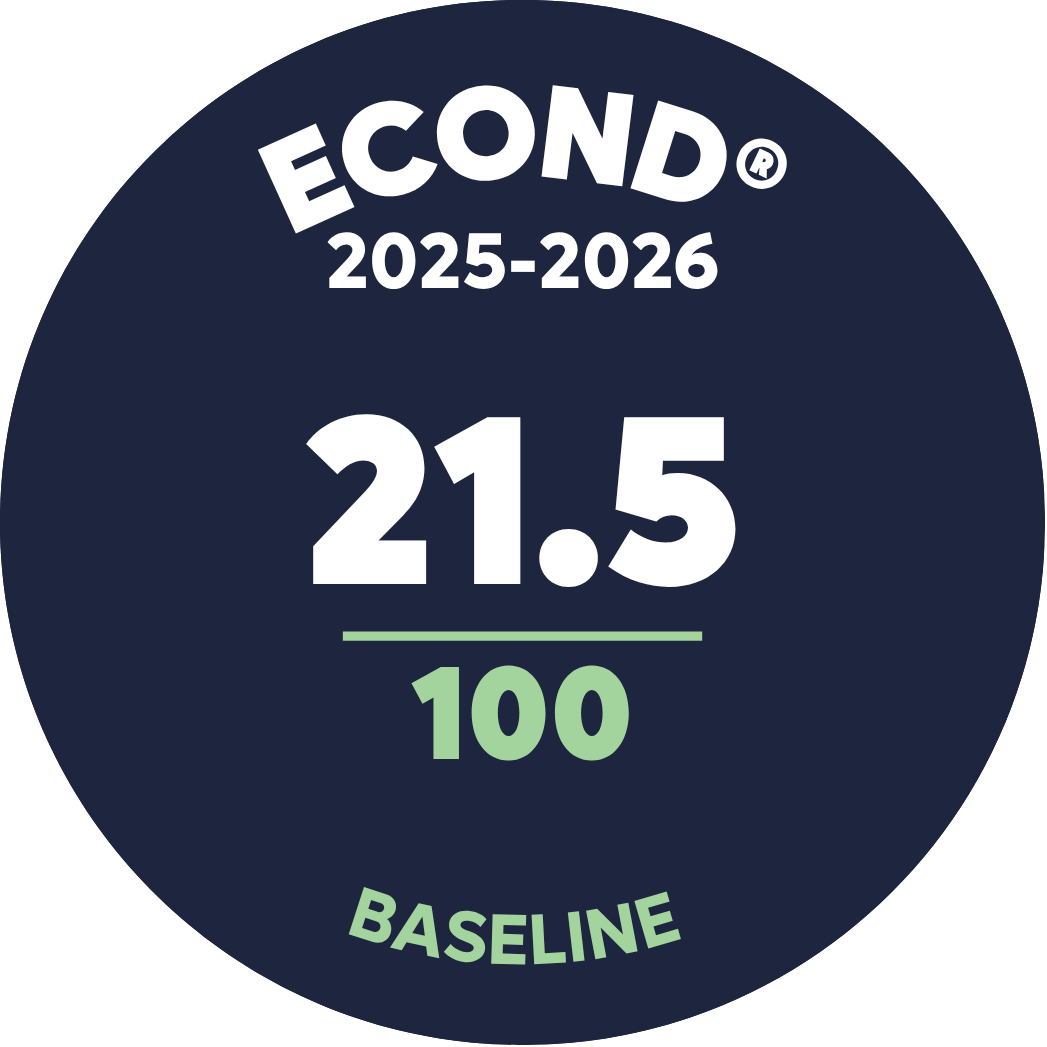
An Econd® score of 21.5 was recorded for native vegetation, representing the baseline condition of the Environmental Account area. The score is low because the sites are predominantly former cropping land that has been cleared of native vegetation or is only partly regenerated. The endemic species planting program, together with ongoing land management and stewardship, is intended to substantially increase native vegetation cover and condition. These benefits are expected to extend into neighbouring areas, including the existing remnant vegetation.
The condition of the Environmental Account area will be monitored and reported every five years to align with carbon farming reporting timelines. Surveys will be done in autumn where practicable to match the timing of the baseline. The ecological data collected will guide and evaluate management and stewardship, and the owners are committed to sustainable long-term care of the land.
Limitations & disclosures.
Reference Benchmarks
Benchmark data for endemic vegetation attributes (such as basal area and biomass) is not available for this region of Western Australia (WA). Instead, data was collected from “best on offer” reference sites, which are the most intact examples of native vegetation available. These included pockets of remnant vegetation on the farms and along roads and infrastructure corridors. Sites were identified through remote sensing and ground truthing, with expert opinion used to select the best available example for each sub-asset. The method allows for this approach, and it was discussed with Accounting for Nature during registration.
The Environmental Account used one reference site per sub-asset which has its limitations, including sensitivity to error and statistical robustness. It was considered a reasonable approach because adding lower-quality sites would reduce benchmark quality, and data in the region is scarce. Expert calibration also reduced the risk of site bias. Because best on offer sites are not pristine, condition scores may be skewed slightly higher. This is a recognised compromise in a wheatbelt landscape that has been heavily modified by agriculture.
Accuracy of vegetation survey and mapping
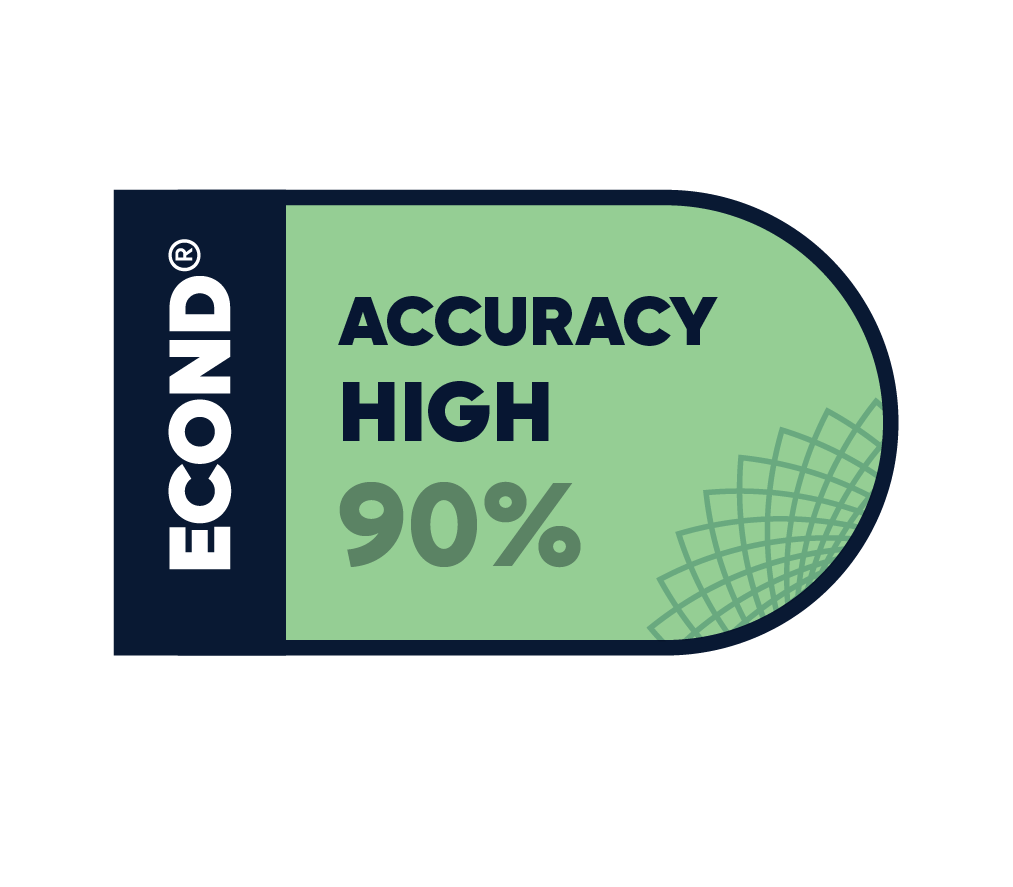
Vegetation surveys and mapping rely on sampling and on interpreting field and remote sensing data, so they do not cover the whole landscape. Experienced Western Australian ecologists carried out the work using proven methods. Survey results are therefore considered reliable, and detail is expected to improve as more data becomes available. WA pre-cleared vegetation datasets were used to divide the account area into sub-assets. These are less detailed than datasets available in some other states, but the method allows for their use.
Technical challenges in restoration
Restoring cleared cropping land to the native woodland that existed before clearing is technically challenging. Soil function, nutrients, hydrology and wildlife interactions can all limit how quickly condition improves. Weeds and sourcing suitable species add further challenges and climate change is altering conditions in the northern wheatbelt. To manage these risks, the owners have engaged a restoration practitioner with more than 30 years of local experience, a local provenance native nursery, a carbon advisor and a consulting ecologist. They are also committed to monitoring and maintenance throughout the life of the project.
Environmental markets.

Australian Carbon Credit Unit (ACCU) Scheme project, registered with the Australian Clean Energy Regulator. More information can be found here:
Last update: 04 November 2026



Environmental Account.
Learn more about the Environmental Account. Environmental Accounts can have one or more Asset Accounts.